
USB disk-sized development board for a virtual keyboard, featuring an ATMEGA32U4 microcontroller with a 50mm by 16mm footprint for compact electronics projects
ATMEGA32U4
£20.98
Sale price
£20.98
Regular price
Skip to product information

 This compact development board is built around the ATMEGA32U4 microcontroller, giving you the core hardware needed to design and program a fully functional, custom USB keyboard. With product dimensions of just 50mm by 16mm, it's a fraction of the size of a traditional PCB, making it ideal for macropads, custom numpads, or integrating keyboard functionality into other projects. Its standard USB data rate ensures it communicates reliably with your computer as a plug-and-play Human Interface Device (HID), ready for you to map your unique commands and shortcuts.
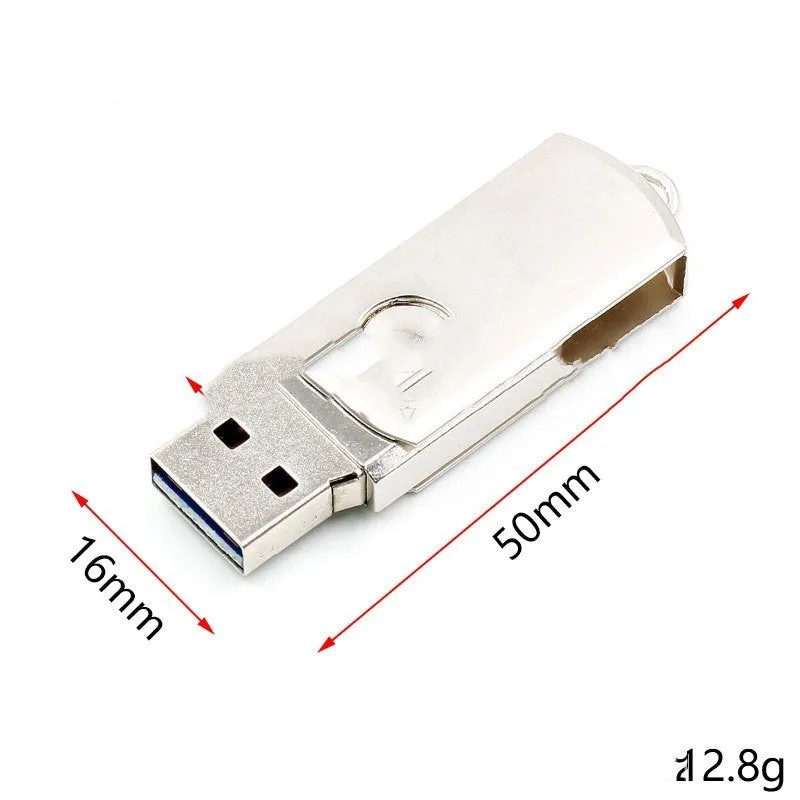 This section details the specific technical attributes and construction of the development board that enable its function as a programmable virtual keyboard. We'll examine the integrated microcontroller, the compact form factor, and the design choices that facilitate easy customisation for electronics enthusiasts and DIY keyboard builders.
 While its primary function is as a keyboard development tool, this board's versatility supports a range of specific use cases. From professional prototyping to personal hobby projects, its small size and programmability open up numerous possibilities for creating bespoke input solutions.
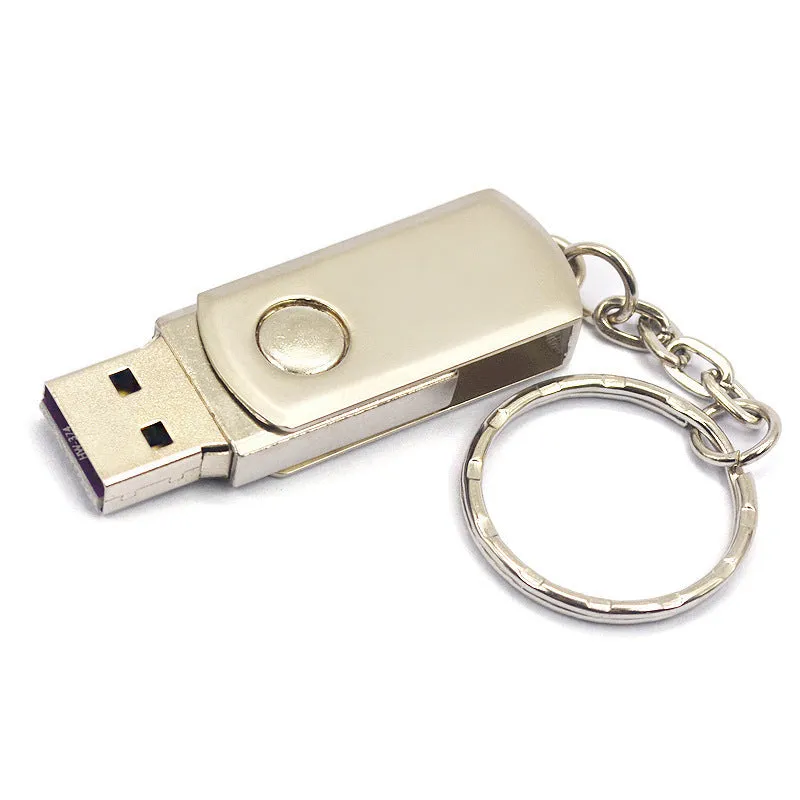 Selecting this specific development board for your keyboard project offers distinct advantages in terms of integration, cost-effectiveness, and long-term utility. Its design prioritises a streamlined path from concept to a working custom input device.


USB disk-sized development board for a virtual keyboard, featuring an ATMEGA32U4 microcontroller with a 50mm by 16mm footprint for compact electronics projects
£20.98
Sale price
£20.98
Regular price
ATMEGA32U4 Virtual Keyboard Development Board: Build a Custom Keyboard on a 50mm Chip
Features and Build Quality of the Keyboard Development Board
ATMEGA32U4 Microcontroller Core
The entire system is driven by the ATMEGA32U4, an 8-bit AVR microcontroller with 32KB of flash memory. This chip's key feature is its native USB 2.0 controller, which allows it to communicate directly with a computer's USB port without requiring any intermediary conversion chips. This integrated design simplifies the circuit layout on the 50mm by 16mm board and reduces potential points of failure, providing a stable foundation for your keyboard firmware.Compact and Efficient PCB Design
The board utilises a single-layer FR-4 substrate to host all surface-mount components, achieving its minimal 50mm by 16mm footprint. This size is deliberately chosen to match the scale of small key clusters, allowing the board to sit neatly behind a 4x4 or similar macro key grid. The layout includes clearly labelled pads for soldering key switches and the necessary diodes for a keyboard matrix, enabling a clean and direct build process for custom input devices.Reliable USB Communication Standard
Engineered for a standard USB data rate, the board ensures consistent enumeration and operation as a keyboard when connected to Windows, macOS, or Linux systems. This reliability means you can focus on programming unique key layers and macros without troubleshooting basic connectivity. The board draws minimal power directly from the USB bus, making it a self-contained unit that requires no external power supply for operation.Practical Applications for Your Development Board
Prototyping for Product Developers
For engineers and product developers, this board serves as a rapid prototyping tool for testing custom Human Interface Device (HID) functionality. You can quickly wire a proof-of-concept keypad for a specialised piece of equipment, such as a laboratory controller or editing console, and program it using familiar Arduino libraries. The 50mm by 16mm form factor allows it to be mocked up inside potential product housings to test ergonomics and layout before designing a final, application-specific PCB.DIY Custom Keyboard Projects
For the hobbyist, this board is the heart of a custom macropad or gaming keypad. The tactile process of soldering your chosen Cherry MX or similar switches onto the labelled pads provides a direct, hands-on connection to your creation. Once assembled, programming it via the Arduino IDE to output complex macros or application shortcuts gives you a tool that feels precisely tailored to your workflow, with each keypress executing a command sequence you defined.Educational Electronics Platform
This board is an excellent educational tool for learning about USB device programming, microcontroller I/O, and keyboard matrix scanning. Students and learners can physically trace the circuit from a key switch to the microcontroller pin, gaining a concrete understanding of how input is registered. Programming it to change key functions demonstrates the link between software and hardware in embedded systems, all within a manageable 50mm by 16mm package that's easy to handle on a workbench.Key Benefits of Choosing This Development Solution
Integrated Design Saves Time and Complexity
Confidence Through Proven ComponentsUsing the well-documented ATMEGA32U4 chip provides confidence, as it is supported by a vast ecosystem of tutorials, community forums, and pre-written libraries for the Arduino IDE. This support network means you're unlikely to hit a programming dead end. The peace of mind comes from knowing that the technical challenge lies in your creative keymap design, not in troubleshooting obscure hardware compatibility issues with your computer's USB ports.Start Building Your Custom Controller Today
This development board provides the most direct route from an idea for a custom keyboard to a functional prototype. With its ready-to-solder pads and programmable core, the only limit is your imagination for what the keys should do. To begin, simply connect the board via USB, open the Arduino IDE, and start defining the key functions that will make your computing or gaming experience more efficient and personally tailored.