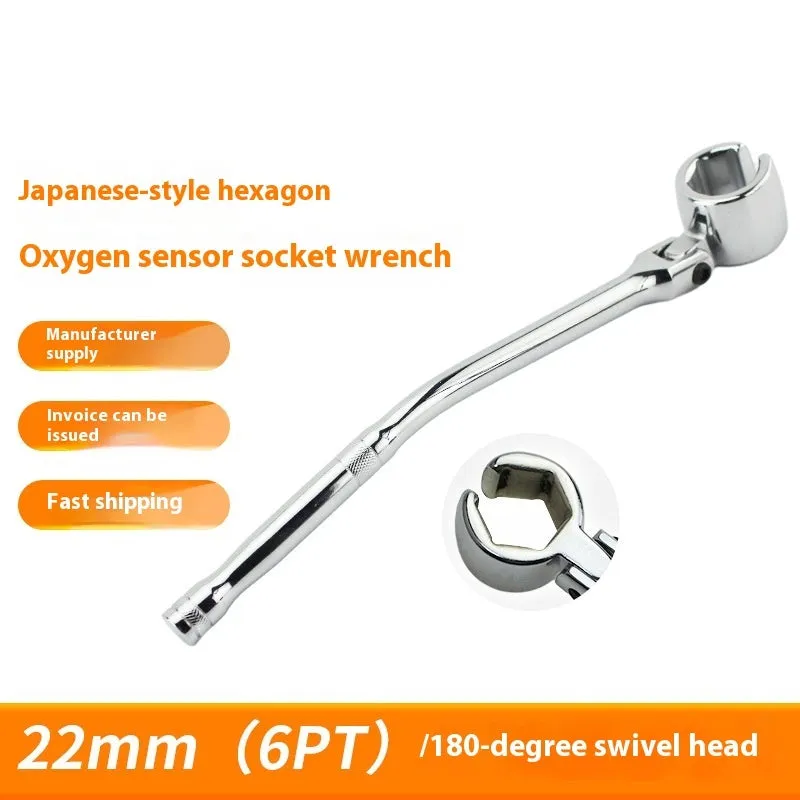
Round oxygen sensor removal tool 22mm hexagonal wrench sleeve dismantlement tool with 270mm chromium vanadium steel construction and bright chrome finish for automotive repair workshops and DIY mechanics


Round oxygen sensor removal tool 22mm hexagonal wrench sleeve dismantlement tool with 270mm chromium vanadium steel construction and bright chrome finish for automotive repair workshops and DIY mechanics
22mm Hexagonal Oxygen Sensor Removal Tool with 270mm Length and Chromium Vanadium Steel Construction
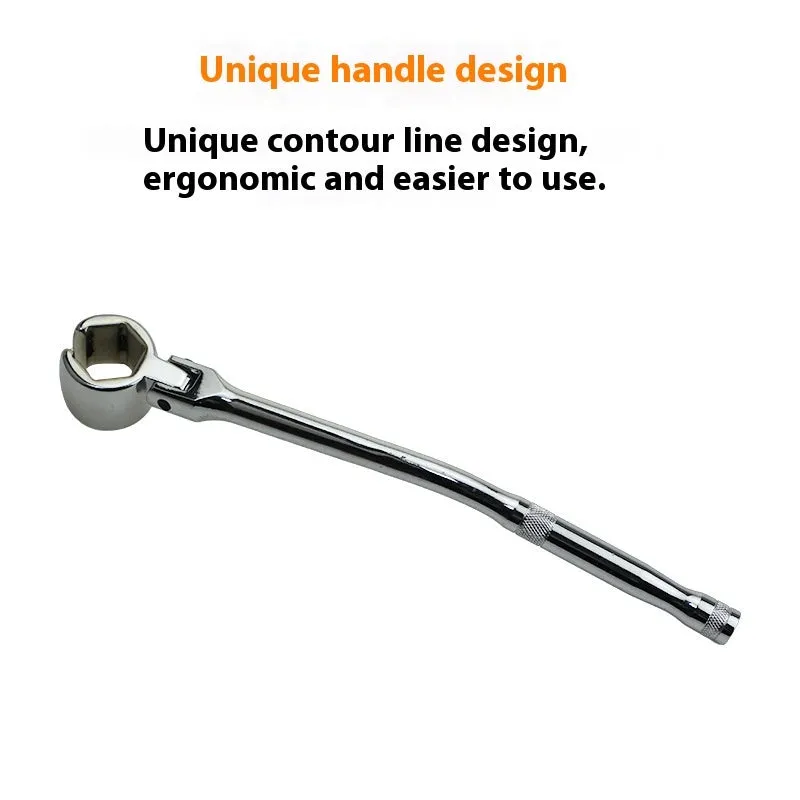
Automotive technicians and DIY mechanics regularly encounter stubborn oxygen sensors that require specialised removal tools to prevent damage to the sensor body and surrounding exhaust components. This 22mm hexagonal oxygen sensor removal tool provides the specific socket size needed for common oxygen sensor applications, combining workshop-grade materials with practical dimensions for effective use in both professional garage settings and home workshop environments. The tool addresses the common problem of rounded or damaged oxygen sensor hex fittings by offering precisely sized, durable tooling that maintains grip during high-torque removal operations.
Features and Construction
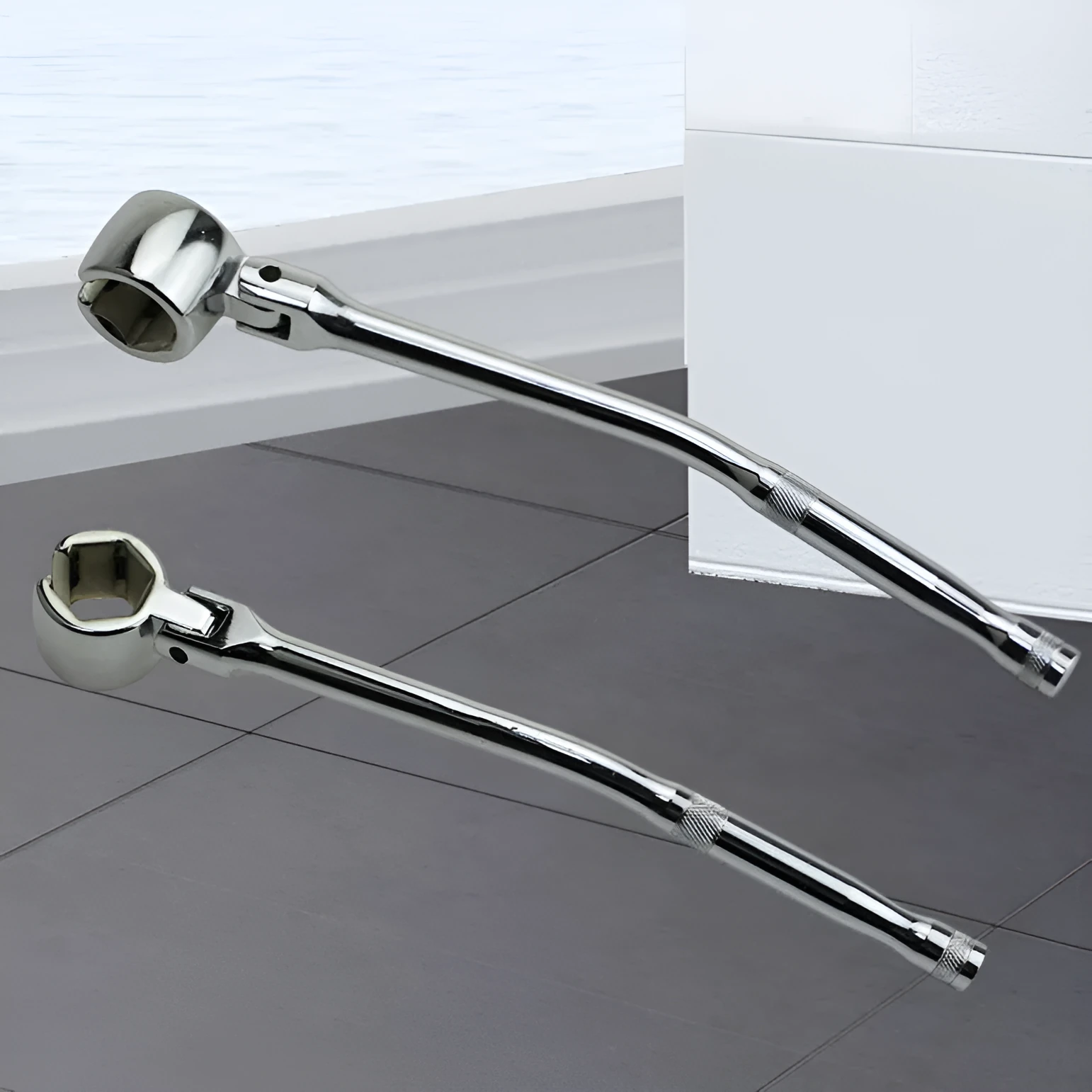
The oxygen sensor removal tool incorporates several design elements specifically suited to automotive repair applications where access is often limited and corrosion is common. Each component has been selected based on practical workshop requirements rather than theoretical specifications, focusing on real-world usability under typical garage conditions.
Material and Build
Constructed from chromium vanadium steel, this removal tool provides the material strength necessary for breaking free oxygen sensors that have become seized due to heat cycling and exhaust system corrosion. The head pouring manufacturing process creates a solid, durable tool body capable of withstanding the high torque often required for oxygen sensor removal without deforming or failing. The overall bright chrome surface treatment offers protection against workshop chemicals and moisture, helping to maintain tool appearance and function over extended periods of garage storage and use.
Size and Practical Fit
With a total length of 270mm, the tool provides sufficient leverage for most oxygen sensor removal situations while remaining manageable in confined engine bay spaces. The 22mm hexagonal opposite edge wrench shape is specifically dimensioned to match common oxygen sensor socket sizes, ensuring proper engagement with the sensor hex flats. The circular socket design concentrates force evenly around the sensor body, reducing the likelihood of rounding the sensor edges during removal attempts.
Uses and Placement

This specialised automotive tool serves specific functions within repair and maintenance workflows, addressing particular challenges that arise when working on modern vehicle exhaust systems. Its design considerations reflect the practical realities of automotive workshop environments rather than theoretical ideal conditions.
Event or Professional Use
In professional automotive repair workshops, this oxygen sensor removal tool integrates into diagnostic and repair procedures where oxygen sensors require replacement due to diagnostic trouble codes or emissions test failures. The 22mm size accommodates many common vehicle applications, allowing technicians to maintain an organised tool set without requiring multiple specialty tools for different sensor sizes. The bright chrome finish helps with tool identification in busy workshop environments and resists staining from common automotive fluids.
Everyday Home Use
For DIY mechanics performing exhaust work or sensor replacements at home, the tool provides a specialised solution for a task that otherwise often results in damaged sensors or incomplete repairs. The 270mm length offers sufficient leverage for individuals working without pneumatic tools, while the chromium vanadium steel construction ensures the tool survives occasional rather than daily use. Home users benefit from having the correct tool size immediately available rather than attempting improvised solutions that risk damaging expensive oxygen sensors.
Benefits and Buying Value

The practical advantages of this oxygen sensor removal tool stem from its specific design parameters and material choices, which address identifiable problems in automotive repair workflows. Value emerges from solving particular repair challenges efficiently rather than through generic claims about quality or performance.
Reuse and Low Maintenance
The chromium vanadium steel construction and bright chrome surface treatment support repeated use over time with minimal maintenance requirements. Workshop tools experience various environmental exposures including temperature variations, moisture, and chemical contact from automotive fluids, making material choices particularly important for longevity. The tool's design focuses on solving a specific repair problem reliably rather than attempting to serve multiple unrelated functions.
Why Choose This Product
This oxygen sensor removal tool offers a practical solution for a specific automotive repair task where incorrect tool selection often leads to additional costs from damaged components. The 22mm hexagonal size matches common oxygen sensor applications, while the 270mm length provides necessary leverage without being unwieldy in confined spaces. For mechanics facing seized oxygen sensors, having properly sized, durable tooling can mean the difference between a straightforward replacement and hours of additional work dealing with damaged components.