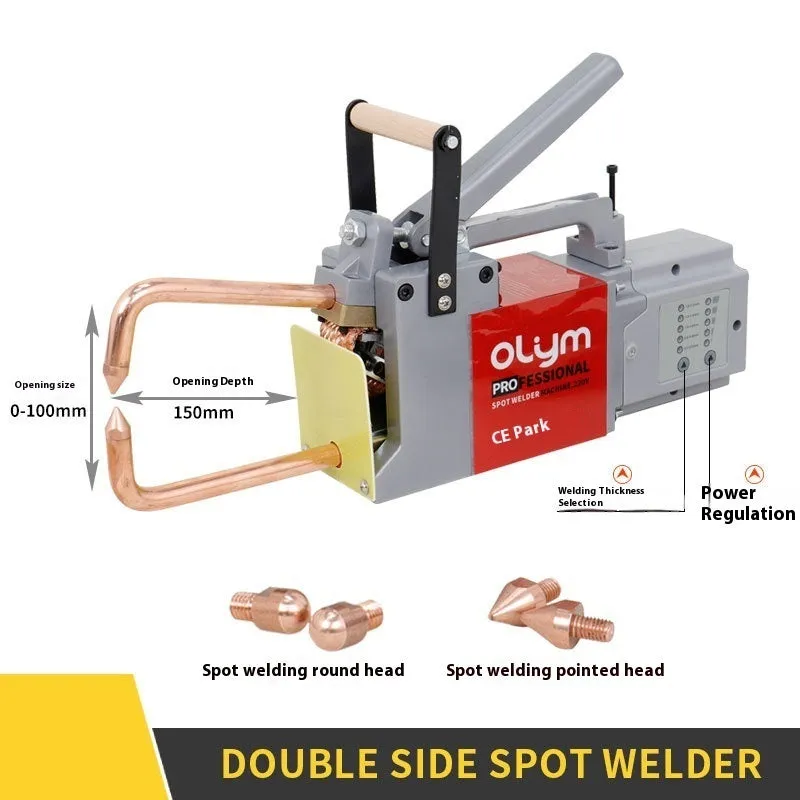
Double-sided spot welder butt welding machine model OL8000 with manual driver and pulse control mode AC current for professional welding applications


Double-sided spot welder butt welding machine model OL8000 with manual driver and pulse control mode AC current for professional welding applications
OL8000 Double-Sided Spot Welder Butt Welding Machine with Manual Control and Multiple Head Options
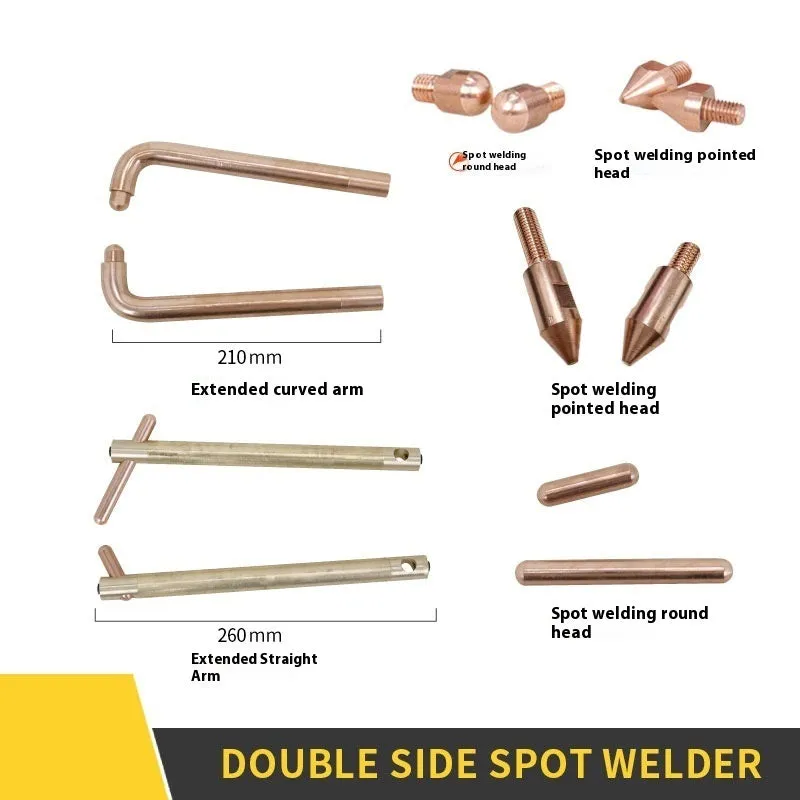
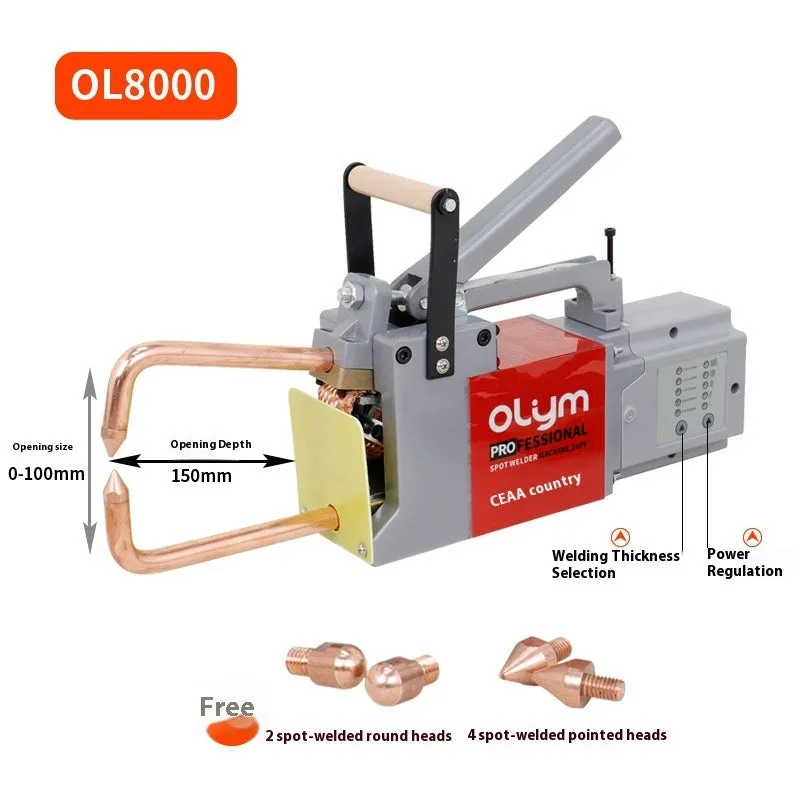
The OL8000 double-sided spot welder represents a specialised welding solution designed for workshops and fabrication environments requiring simultaneous access to both sides of a workpiece. This butt welding configuration is particularly relevant for joining metal components where traditional single-sided welding approaches prove insufficient. Operating on 220V input voltage with AC current, this machine employs a pulse control mode that regulates welding cycles for consistency across multiple welds. The manual driver type provides experienced operators with direct control over welding parameters, allowing for adjustment based on material thickness and joint requirements. With included round and pointed welding heads, the OL8000 offers flexibility across different metal fabrication tasks.
Features and Construction
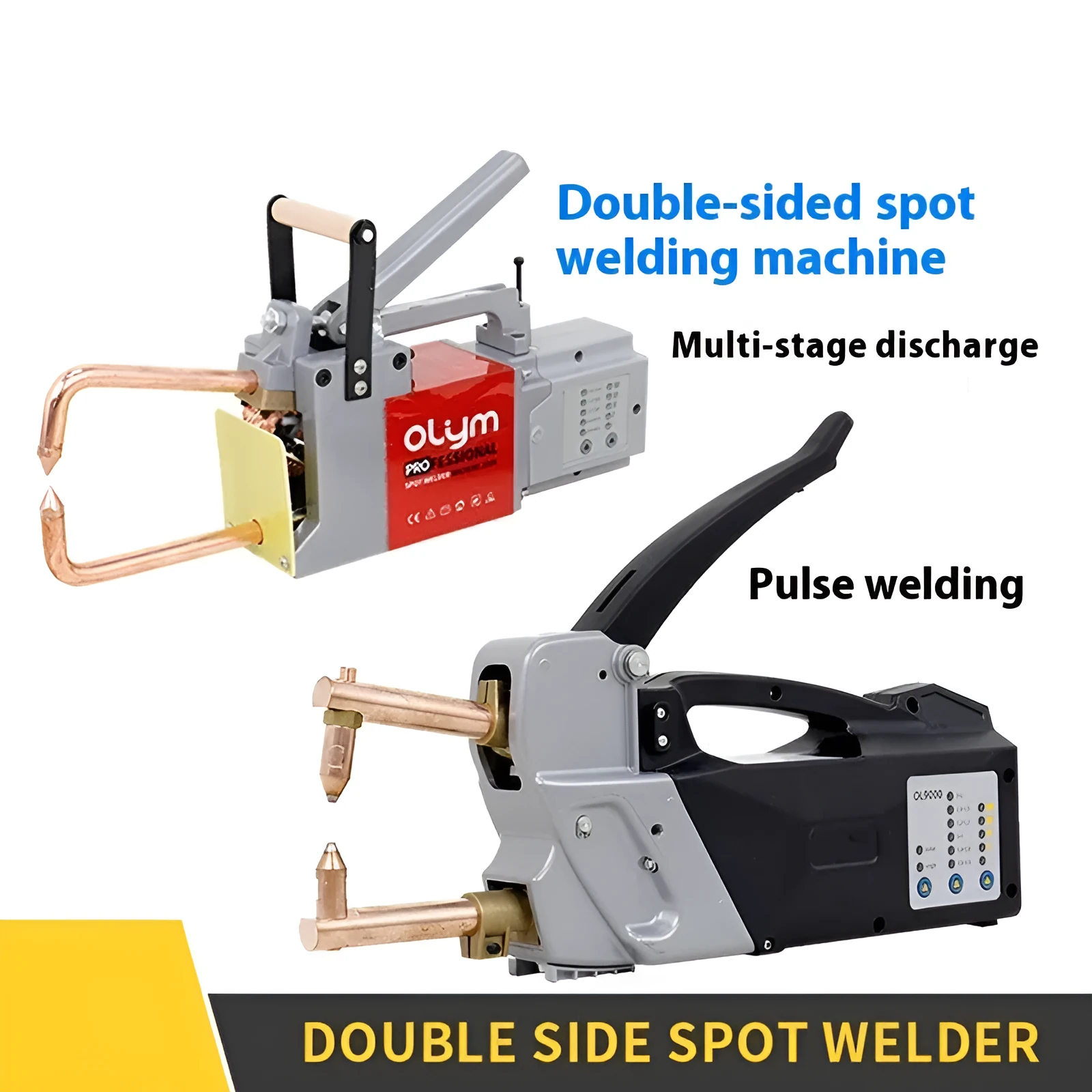
This welding machine combines practical functionality with workshop-appropriate construction for metal joining applications. The double-sided configuration distinguishes it from conventional single-sided welders by providing access to both sides of a workpiece simultaneously.
Material and Build
The welding machine features robust steel construction in its housing and main structural components, designed to withstand workshop conditions. The welding heads utilise copper alloy for optimal electrical conductivity and heat resistance during the welding process. This material selection balances durability with the functional requirements of frequent electrode contact with workpieces. The construction supports the manual driver mechanism, which provides physical leverage for applying appropriate pressure during welding operations.
Size and Practical Fit
While specific dimensional measurements aren't provided in the source documentation, the double-sided configuration implies a workspace arrangement that accommodates workpieces between the two welding heads. The machine's design prioritises functional access over compact footprint, with consideration for the range of motion required for manual operation. Workshop placement should account for operator positioning and workpiece loading access, particularly for the butt welding applications for which this configuration is designed.
Uses and Placement
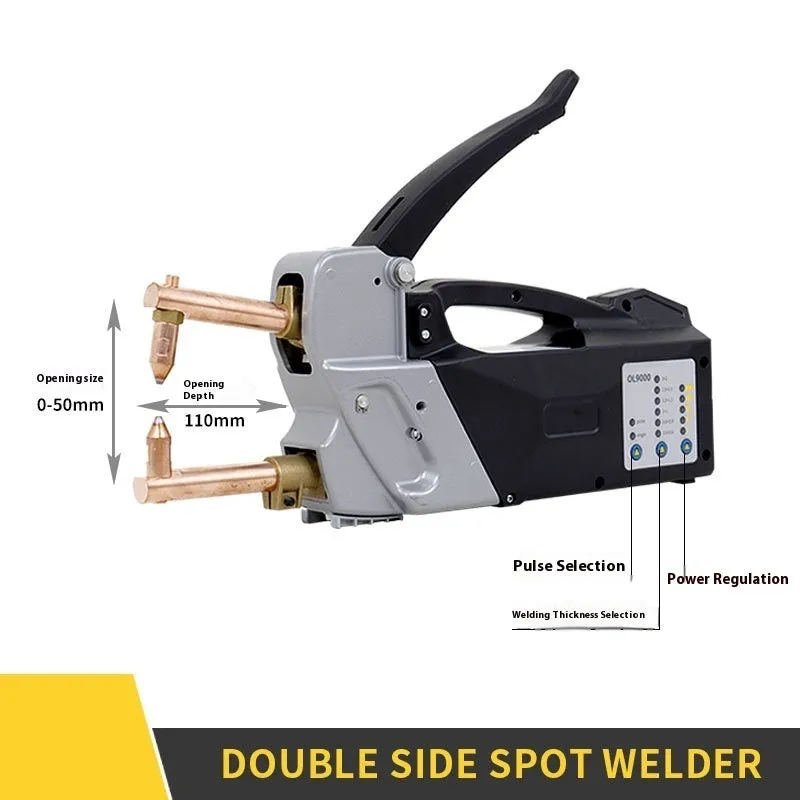
The OL8000 finds application in professional settings where controlled spot welding is required across various metal fabrication projects. Its specific configuration supports particular joint types and material combinations.
Event or Professional Use
In workshop environments, this welding machine serves fabricators working with sheet metal, automotive components, or structural elements requiring spot welding. The butt welding capability addresses joining applications where two edges meet, with the double-sided access ensuring proper fusion throughout the joint depth. The pulse control mode provides regulated welding cycles that can be particularly valuable for production environments seeking consistency across multiple similar welds. The included pointed heads support precision work on thinner materials or confined spaces.
Everyday Home Use
For advanced hobbyists or small-scale fabricators with appropriate workshop facilities, the manual control system offers the advantage of operator-determined welding parameters based on visual inspection and material response. The round welding heads handle general-purpose applications on standard thickness materials, while the pointed heads accommodate detailed work or thinner gauge metals. The 220V operation requires appropriate electrical infrastructure typically found in dedicated workshop spaces rather than general household circuits.
Benefits and Buying Value
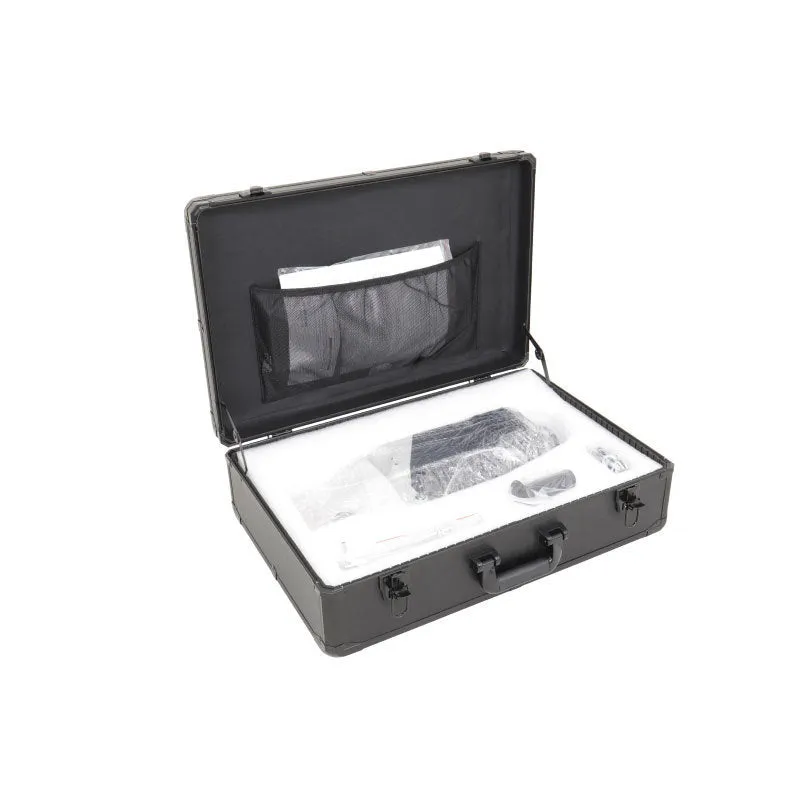
The OL8000 provides practical advantages through its configuration and included components, offering flexibility for diverse welding requirements within its operational parameters.
Reuse and Low Maintenance
The inclusion of multiple welding head types—two round and four pointed—extends the machine's applicability across different projects without requiring additional purchases. This variety allows operators to select the most appropriate head configuration for each specific welding task. The manual driver system, while requiring operator skill, minimises electronic components that might require servicing or calibration over time. Standard workshop maintenance practices apply to electrode maintenance and electrical connection checks.
Why Choose This Product
The double-sided configuration addresses a specific welding challenge—simultaneous access to both sides of a workpiece—that single-sided welders cannot provide for butt welding applications. The manual control gives skilled operators direct influence over welding outcomes rather than relying solely on preset parameters. The combination of round and pointed welding heads covers a range of material thicknesses and joint types within a single package. For workshops requiring both general-purpose and precision spot welding capabilities, this machine consolidates those functions while operating on standard 220V power.