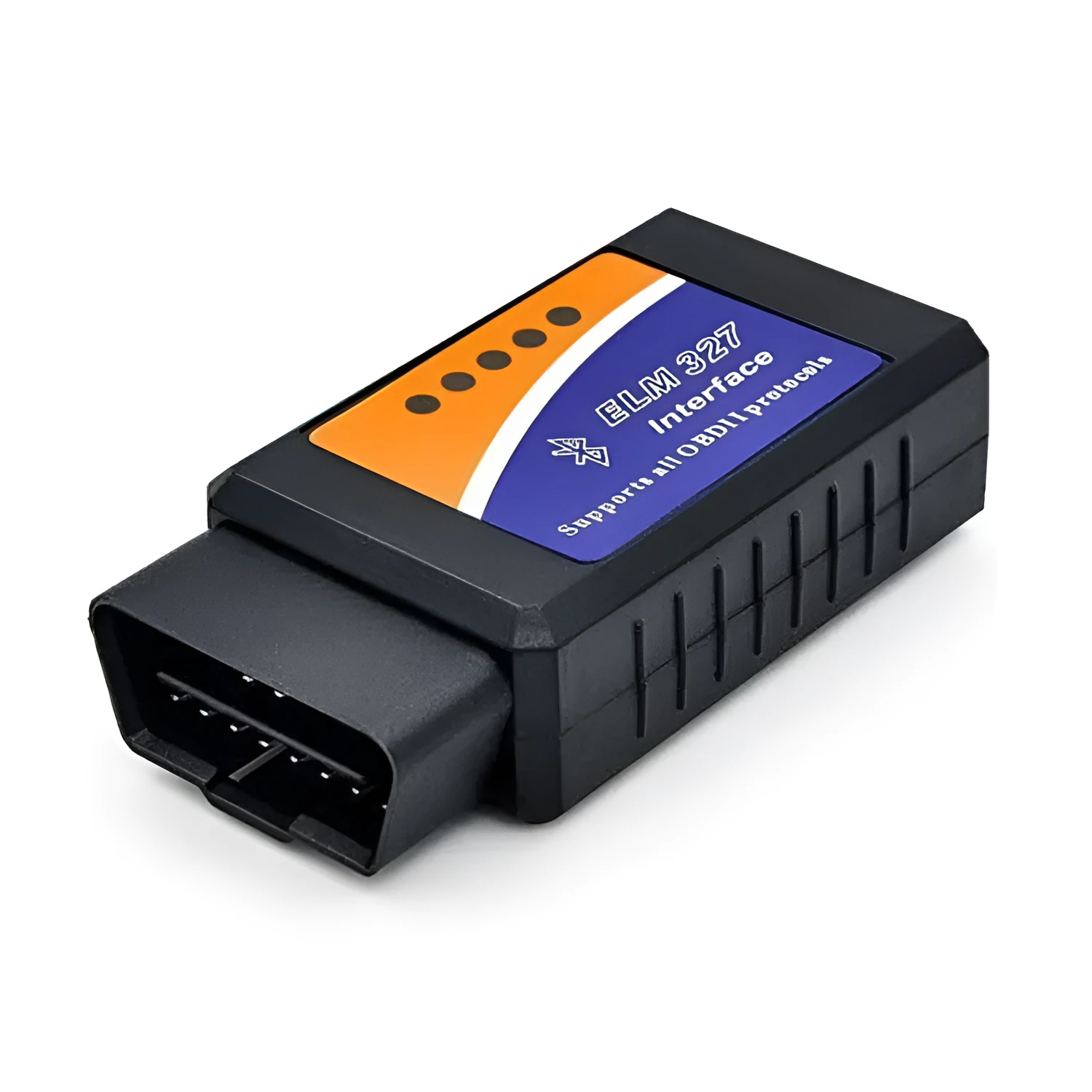
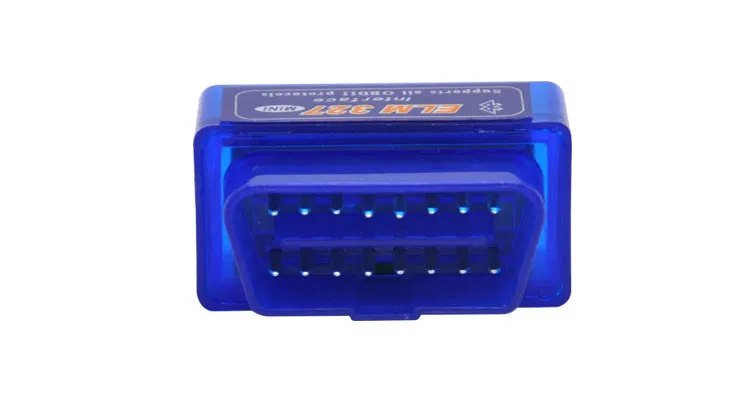
5.1 Bluetooth OBD2 scanner car code reader compatible with Android and Windows supports Torque and ScanMaster-ELM software for generic and manufacturer-specific fault codes with live sensor data display and MIL indicator reset


5.1 Bluetooth OBD2 scanner car code reader compatible with Android and Windows supports Torque and ScanMaster-ELM software for generic and manufacturer-specific fault codes with live sensor data display and MIL indicator reset
5.1 Bluetooth OBD2 Scanner for Car Diagnostics with Live Sensor Data and Fault Code Definitions

This dual-mode Bluetooth OBD2 scanner is a compact automotive diagnostic tool that connects to your vehicle's onboard computer via the standard OBD2 port. It reads both generic and manufacturer-specific diagnostic trouble codes (DTCs), providing access to a database of over 3000 code definitions to help identify issues triggering the check engine light. The device can clear these fault codes and reset the MIL (Malfunction Indicator Lamp) indicator. Furthermore, it displays real-time sensor data, giving you insights into parameters like engine speed, coolant temperature, fuel system status, and intake manifold pressure for comprehensive vehicle monitoring. Compatible with a range of software on Android and Windows platforms, it supports popular applications such as Torque and ScanMaster-ELM, making it a versatile tool for both DIY enthusiasts and general diagnostic use.
Features and Construction
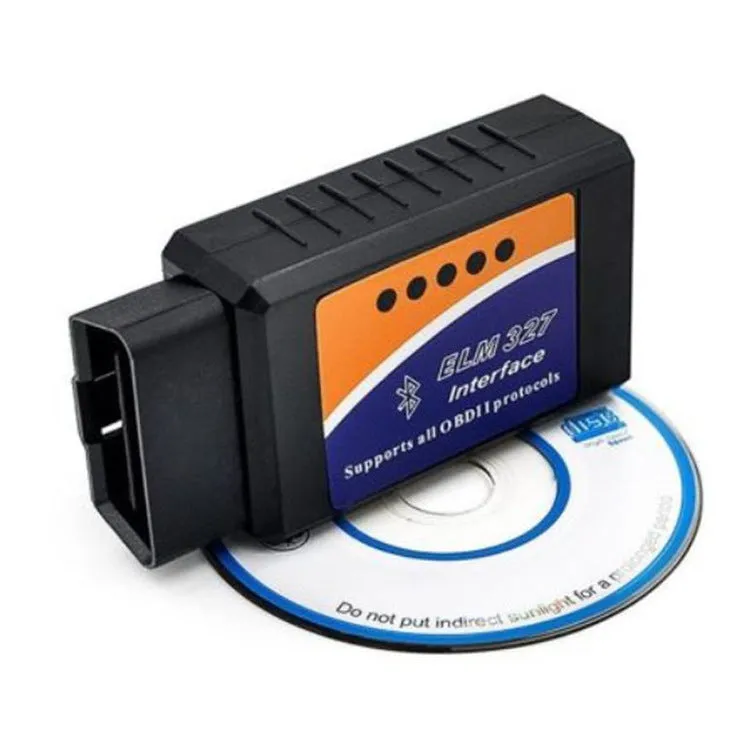
The scanner is designed for practical vehicle diagnostics with a focus on data accessibility and compatibility. Its construction centres on reliable electronic components that operate within standard automotive electrical ranges.
Material and Build
The device is built from electronic components engineered to function within a vehicle's electrical system, operating at a voltage of 9V to 16V. It draws a working current of 35mA and a standby current of 25mA. The build is designed for durability in automotive environments, with an operating temperature range of -40℃ to 85℃ and operation specified for conditions with humidity under 60%. This makes it suitable for use in various climates and typical garage or roadside scenarios.
Size and Practical Fit
With compact dimensions of 45mm in length, 25mm in width, and 65mm in height, the scanner is small enough to be easily stored in a glove box or toolkit without occupying significant space. This size allows it to remain connected to the OBD2 port without excessive protrusion, which can be beneficial for continuous data logging during drives. The small form factor contributes to its portability for use across different vehicles or for mechanics who need a lightweight diagnostic tool.
Uses and Placement
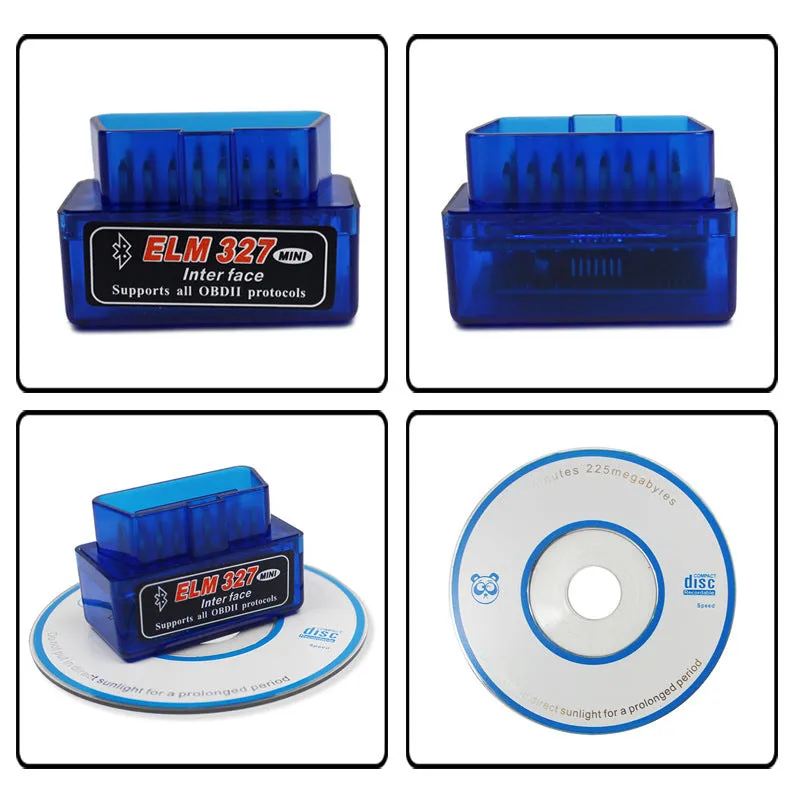
This OBD2 scanner serves multiple roles, from basic fault code reading for home mechanics to more advanced data monitoring for vehicle enthusiasts. Its primary placement is in the vehicle's OBD2 port, typically located under the dashboard near the driver's seat.
Event or Professional Use
For professional or event-based use, such as at track days or during vehicle performance tuning, the live data function is key. Monitoring real-time sensor information like engine speed (RPM), intake air temperature, and throttle position can help assess vehicle performance and identify potential issues under load. The ability to read manufacturer-specific codes, in addition to generic ones, adds depth for diagnosing problems particular to certain car makes and models, which is valuable for mechanics or advanced users working on specific vehicles.
Everyday Home Use
For everyday home use, the scanner addresses the common need to understand why a check engine light has illuminated. By reading the fault code and providing its definition from the extensive database, users can make informed decisions about whether a issue is minor or requires professional attention. Clearing non-critical codes after repair can reset the warning light without a trip to the garage. The compatibility with smartphones via Android apps like Torque makes it convenient for regular drivers to perform quick health checks on their vehicle.
Benefits and Buying Value

The value of this diagnostic tool lies in its ability to provide immediate, data-driven insights into vehicle health, potentially saving time and money on unnecessary garage visits. It turns a smartphone or laptop into a basic diagnostic station.
Reuse and Low Maintenance
The scanner is designed for reuse across multiple vehicles, as long as they are equipped with a standard OBD2 port (common for cars manufactured from around 1996 onwards in many markets). There are no consumable parts mentioned, suggesting low maintenance beyond ensuring clean connections. The device's specified operating parameters (-40℃ to 85℃, <60% humidity) indicate it can be used repeatedly in typical automotive environments without special storage requirements, supporting long-term utility.
Why Choose This Product
Choosing this OBD2 scanner provides a balance of functionality and convenience. Its support for both generic and manufacturer-specific codes, combined with live data streaming, offers more insight than basic code readers that only display code numbers. The broad software compatibility—covering Android, Windows, iOS, and Symbian platforms with programs like Torque, DashCommand, ScanMaster-ELM, and OBDScope—means users are not locked into a single proprietary application. The compact size and straightforward operation make it an accessible tool for anyone from casual car owners to more technically inclined users seeking detailed engine data.