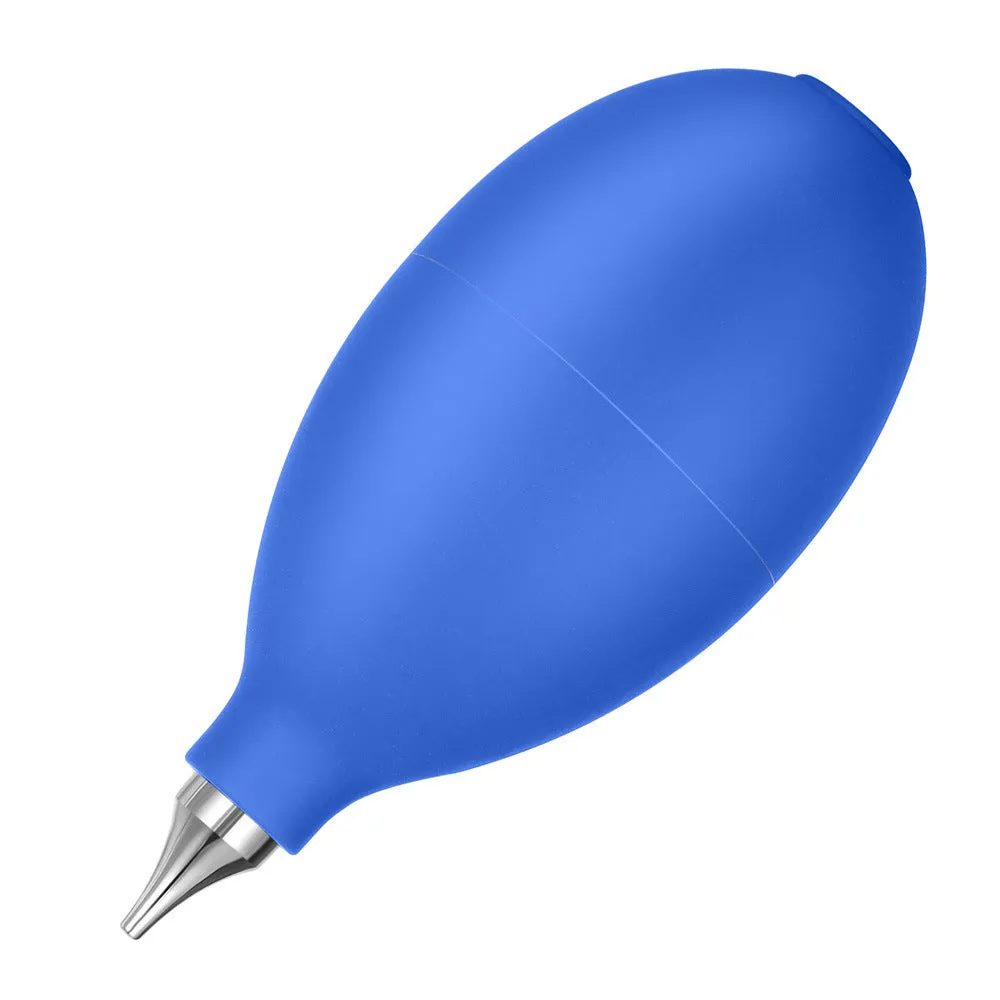
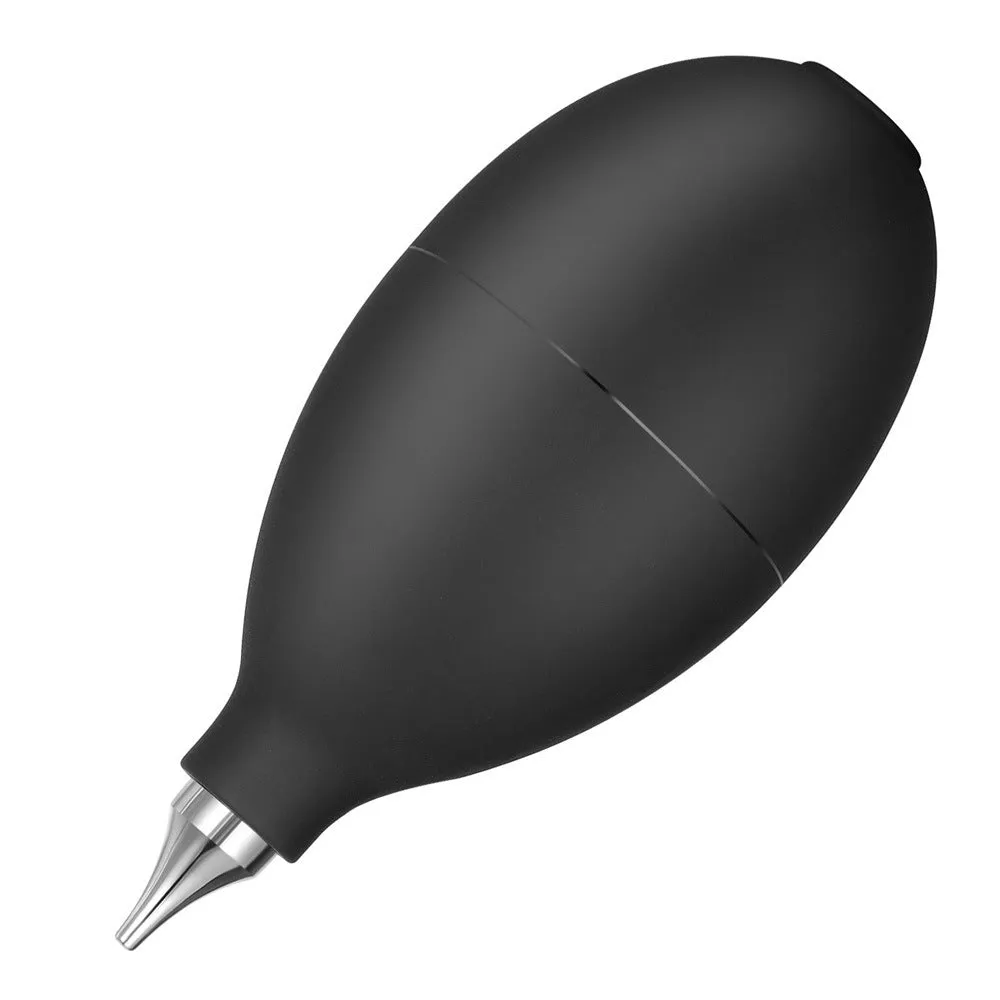
Rubber dust removal tool for camera and mobile phone cleaning, manual air blowing cleaning ball with blue or black colour options, measures 9.5 x 4.4 x 4.4 cm for portability and precision dusting on camera lenses and smartphone ports


Rubber dust removal tool for camera and mobile phone cleaning, manual air blowing cleaning ball with blue or black colour options, measures 9.5 x 4.4 x 4.4 cm for portability and precision dusting on camera lenses and smartphone ports
Rubber Air Blowing Cleaning Tool for Camera Lenses and Mobile Phones
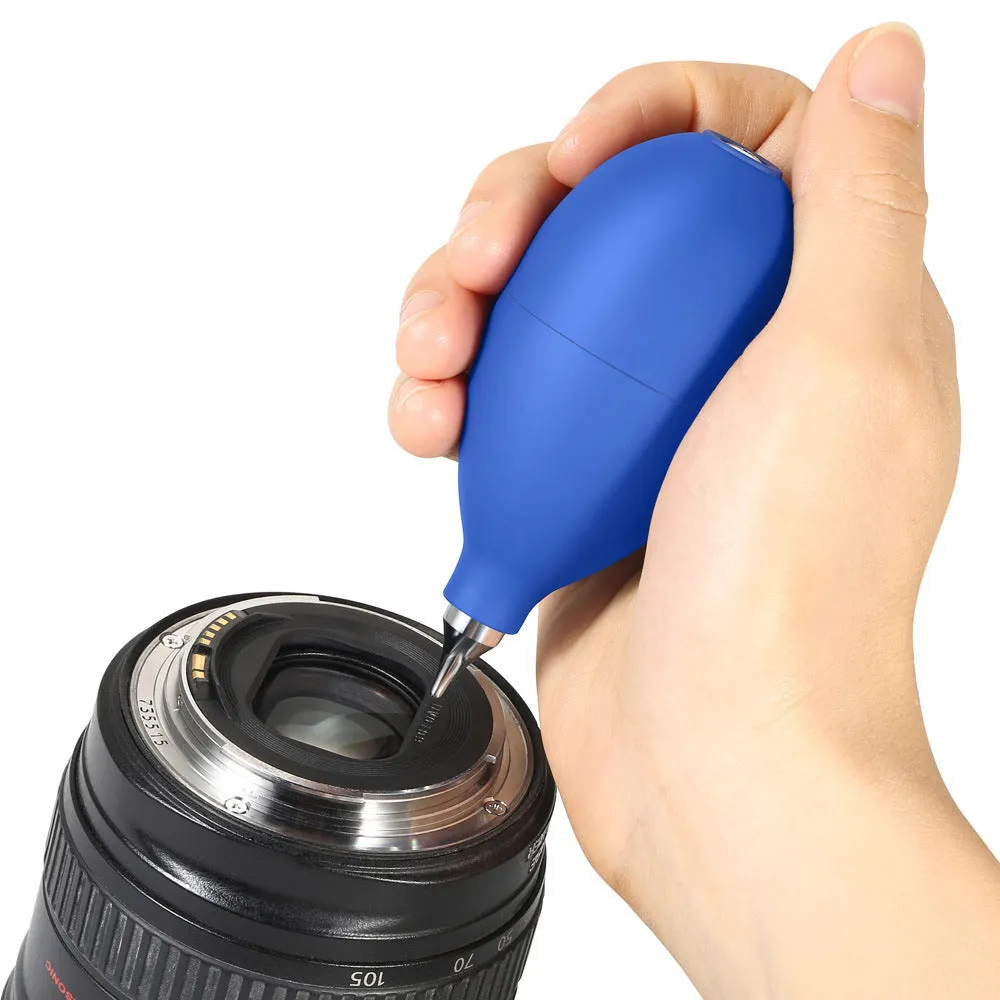
This manual dust removal ball offers a straightforward, dry method for cleaning delicate electronics. Instead of using liquids or cloths that can leave residues or cause scratches, this tool uses compressed air generated by hand. It is specifically mentioned as suitable for cameras, mobile phones, and clocks, making it a relevant accessory for photographers, gadget owners, or anyone needing to maintain small mechanical items. The design is intentionally simple, relying on the user's hand pressure to function, which means no batteries, refills, or complex parts are required.
Features and Construction
The construction and specifications of this cleaning tool are focused on practical, hands-on use. Its design is centred on a single material and a set of dimensions that define its portability and handling.
Material and Build
The tool is constructed entirely from rubber. This material choice allows the main bulb section to be compressed and released repeatedly, creating the airflow needed to dislodge dust. The one-piece build minimises potential points of failure, such as seams or detachable nozzles, contributing to a simple and robust manual operation. The source confirms the material as rubber but does not specify a grade, thickness, or any additional reinforcing features.
Size and Practical Fit
The tool measures 9.5 cm in length, 4.4 cm in width, and 4.4 cm in height. This compact size makes it easy to store in a camera bag, desk drawer, or toolkit without taking up significant space. The proportions are designed to fit comfortably in an adult hand, allowing for effective squeezing. These exact dimensions are the only measurements provided, confirming its status as a small, portable accessory rather than a larger, workshop-focused blower.
Uses and Placement
The primary use for this tool is removing loose particulate matter from areas where contact cleaning is impractical or risky. Its application is guided by the source text's list of suitable items.
Event or Professional Use
For photographers or videographers, keeping camera sensors and lens elements free of dust is crucial for image quality. This blower can be used to gently clear dust from a lens filter or the camera's mirror box before a shoot without introducing fibres from a cloth. It serves as a first-line cleaning tool before more invasive methods are considered, helping to maintain equipment in the field or studio.
Everyday Home Use
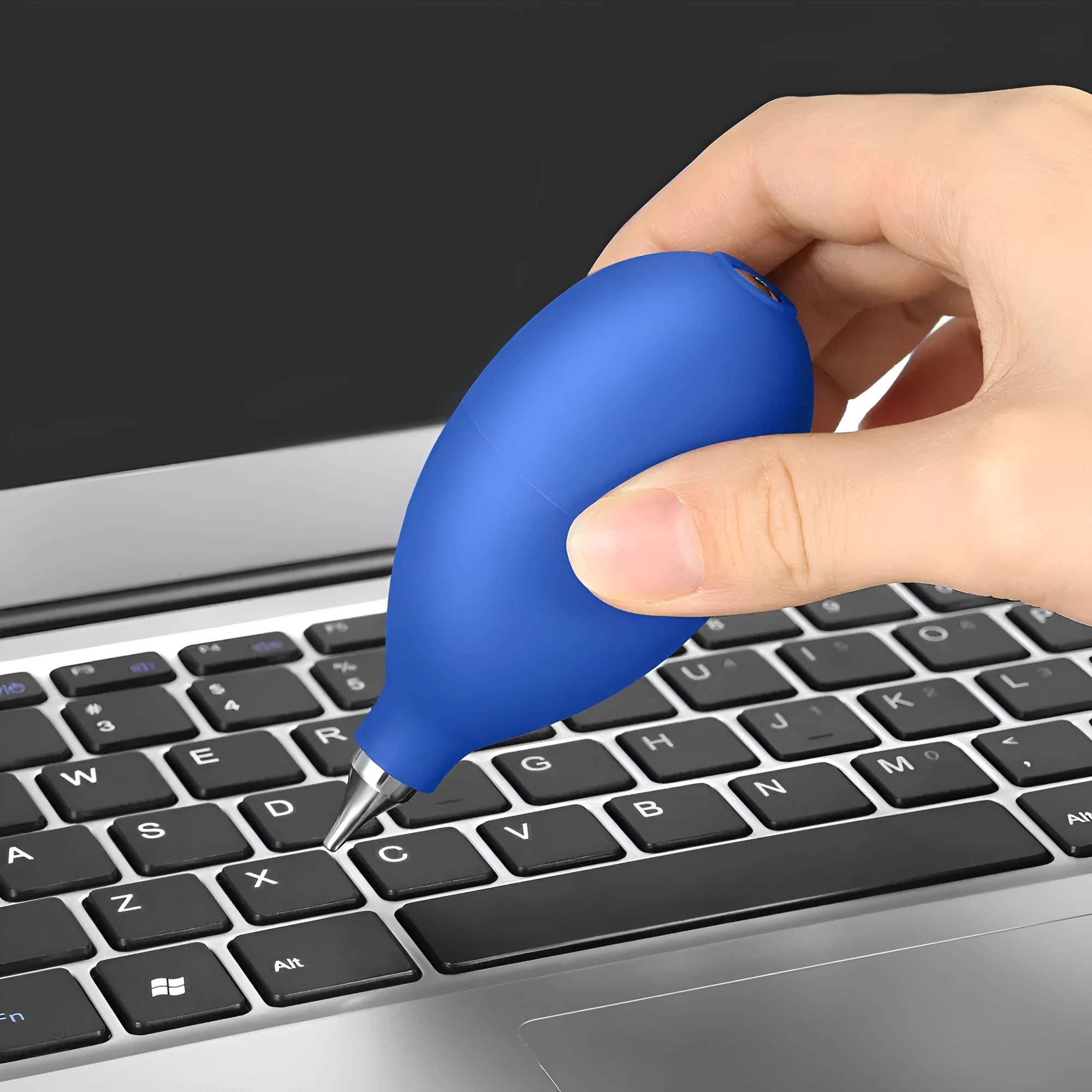
Around the home or office, the tool can clear lint from a mobile phone's speaker grille, charging port, or headphone jack. It can also be used on the mechanisms of analogue clocks or other small decorative items that collect dust in hard-to-reach crevices. The dry method is safer for electronics than using a damp cloth, as it eliminates any risk of short-circuiting from moisture.
Benefits and Buying Value

The value of this product lies in its simplicity and targeted functionality. It addresses a specific need with a low-maintenance, reusable design.
Reuse and Low Maintenance
As a purely mechanical tool with no consumables, it can be used repeatedly over time. Maintenance involves simply keeping the nozzle clear of blockages. There is no performance data on lifespan, but the rubber construction suggests it will function as long as the material remains flexible and intact, avoiding the ongoing cost of canned air or disposable wipes.
Why Choose This Product
This product is chosen for its direct approach to a common problem: dry dust removal on small, sensitive items. Its defined size, confirmed material, and stated applicability to cameras and phones provide clear parameters for its use. It does not claim to handle wet debris, offer static elimination, or include specialised attachments; its value is in performing its named function—dust removal via air blowing—within the scope described.