
Oil control VVT solenoid valve pair for Buick Regal Lacrosse Chevrolet Malibu replacement parts, engine oil pressure control component, variable valve timing solenoid repair kit


Oil control VVT solenoid valve pair for Buick Regal Lacrosse Chevrolet Malibu replacement parts, engine oil pressure control component, variable valve timing solenoid repair kit
Oil Control VVT Solenoid Valve Pair for Buick Regal, Lacrosse, and Chevrolet Malibu
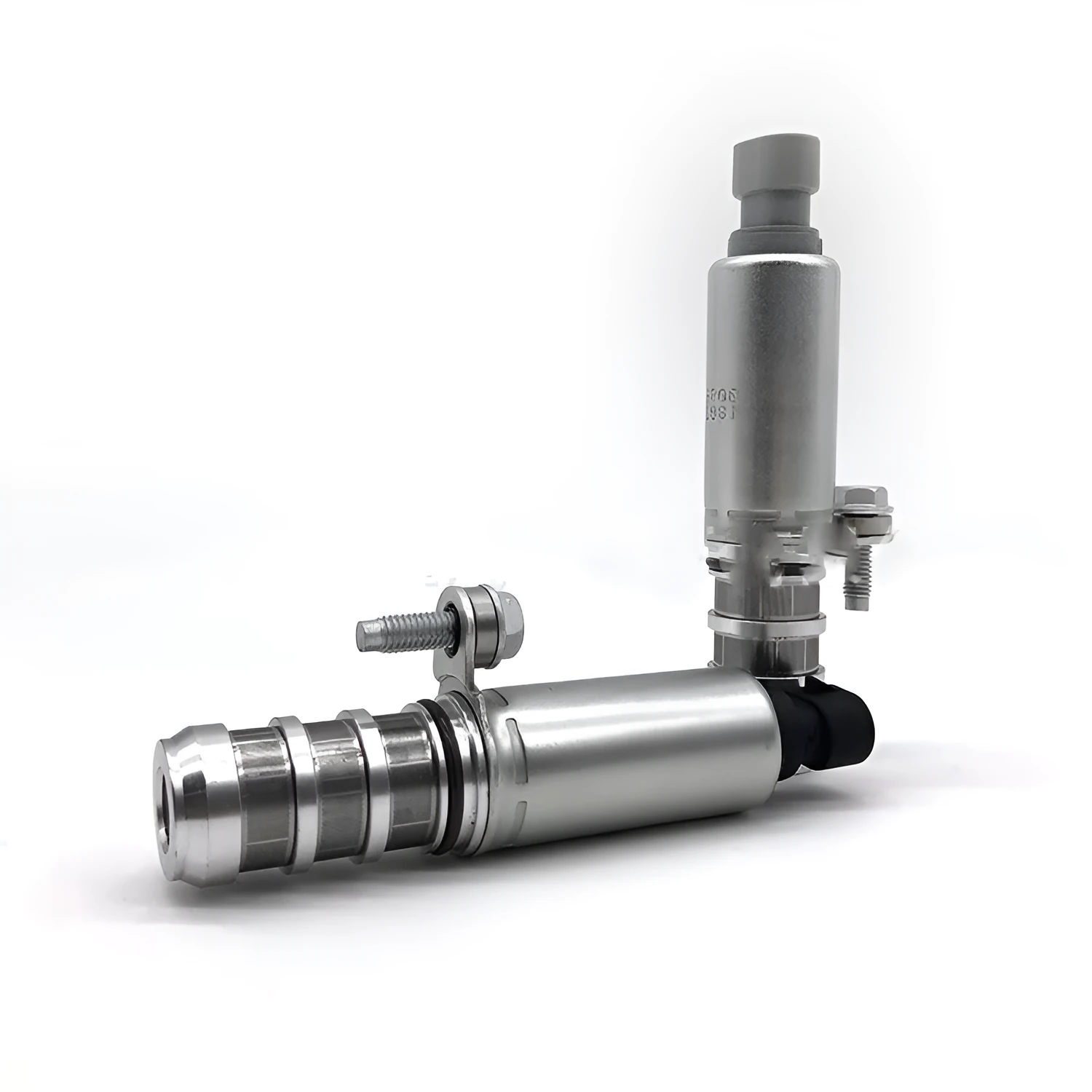
This oil control valve is a specialised automotive component designed to regulate oil pressure within the variable valve timing (VVT) systems of specific General Motors vehicles. It serves as a replacement part for models including the Buick Regal, Buick Lacrosse, and Chevrolet Malibu. The product addresses the practical need for maintaining correct oil pressure to ensure the VVT system operates as intended, which can affect engine performance, efficiency, and emissions. When the original solenoid valves fail or underperform, this pair provides a direct solution for repair and restoration of the engine's variable valve timing functionality.
Features and Construction
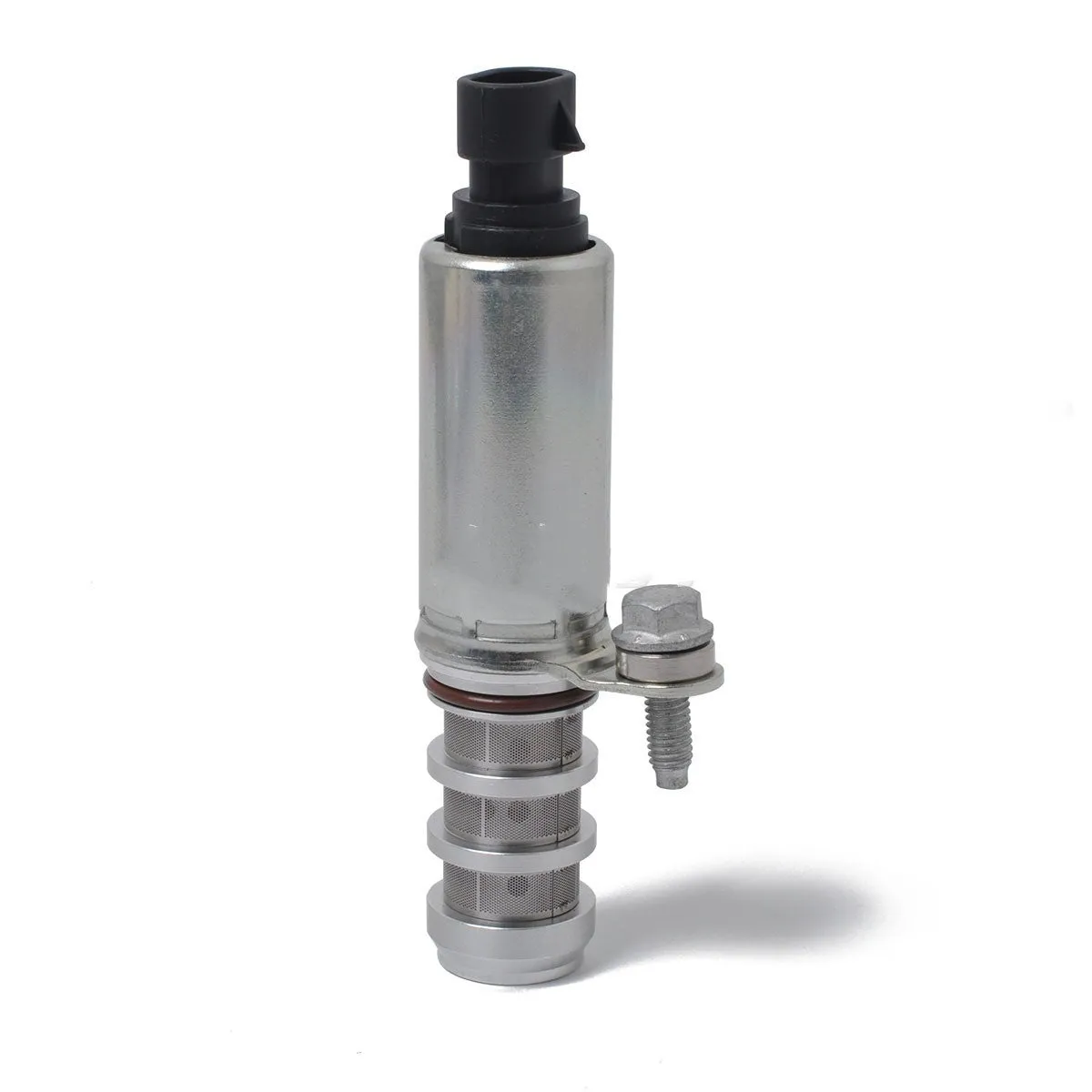
This product is defined by its specific application and its role within the vehicle's engine management system. The primary purpose is the control of oil pressure, a critical function for the actuation and precision of the variable valve timing mechanism. Understanding its construction and intended fit is key for a successful repair.
Material and Build
The source text does not specify the exact materials used in the construction of these solenoid valves. As an engine component that interfaces with oil pressure, it is built to withstand the operating environment within an engine bay, including exposure to engine oil and heat. The product is supplied as a matched pair, ensuring both control points for the VVT system are addressed simultaneously for consistent performance.
Size and Practical Fit
The valve is listed as a compatible part for a defined range of vehicles: the Buick Regal, Buick Lacrosse, and Chevrolet Malibu. This indicates it is manufactured to match the original equipment specifications for these models, including physical dimensions, electrical connector type, and thread specifications. Buyers should verify their exact vehicle model, year, and engine code to confirm compatibility before purchase, as variations can exist between model years.
Uses and Placement

The valve has a singular, well-defined use: to replace faulty or worn oil control solenoids in the VVT system of compatible vehicles. Its placement is within the engine, typically mounted on or near the cylinder head where it can control oil flow to the VVT actuators.
Event or Professional Use
This component is most commonly used in professional automotive repair shops and by experienced DIY mechanics undertaking engine maintenance. Its installation is part of diagnosing and resolving VVT-related fault codes, symptoms of poor engine performance, or unusual valve timing noises. It is a repair part, not a cosmetic or accessory item.
Everyday Home Use
For the knowledgeable home mechanic with the correct tools and diagnostic capability, this valve pair enables the repair of a specific engine system. It allows for the restoration of factory-designed VVT operation, which can influence fuel economy and drivability. It is a functional repair component for resolving a technical problem rather than an item for general home use.
Benefits and Buying Value

The value of this product lies in its defined purpose and vehicle-specific compatibility. It offers a targeted solution for a common repair need on popular GM vehicle platforms.
Reuse and Low Maintenance
As a replacement engine component, its value is realised through restoring system function rather than ongoing reuse. Once installed correctly, it requires no routine maintenance itself but forms part of the broader engine system that benefits from regular oil changes and servicing. The product is a durable repair solution intended to last for the service life of the vehicle post-installation.
Why Choose This Product
This valve pair is selected for its direct application to the listed Buick and Chevrolet models. The key advantage is compatibility, providing a component designed to interface correctly with the existing engine wiring, mounting points, and oil galleries. Choosing a part specified for these models helps ensure correct operation of the complex VVT system, avoiding issues of poor fit or incorrect signal response that can occur with generic parts.