
OBD2 BMW 20-pin to 16-pin diagnostic connector adapter cable for retrofitting scanners to classic BMW models requiring the 20-pin port
BMW Line 20 Pin
£16.98
Sale price
£16.98
Regular price
Skip to product information

 This OBD2 adapter cable provides a specific solution for accessing the onboard diagnostic systems of classic BMW vehicles. It bridges the gap between the manufacturer-specific 20-pin port found under the bonnet of older models and the universal 16-pin OBD2 socket used by modern code readers and scan tools. By enabling this connection, it allows mechanics and DIY enthusiasts to read fault codes, monitor live sensor data, and perform essential diagnostics on pre-standardisation BMWs, turning a compatibility headache into a straightforward procedure.
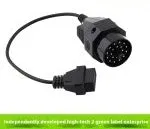 This section details the physical construction and technical specifications that allow this simple cable to perform a critical diagnostic function. We'll examine the connector design, electrical ratings, and material choices that ensure reliable communication between your classic BMW and a contemporary scanner.
 The value of this adapter lies in its specific problem-solving ability and the long-term access it provides. It's a low-cost entry point to professional-grade diagnostics for a niche but persistent compatibility issue. Let's break down the practical benefits it delivers to the user.






OBD2 BMW 20-pin to 16-pin diagnostic connector adapter cable for retrofitting scanners to classic BMW models requiring the 20-pin port
£16.98
Sale price
£16.98
Regular price
OBD2 BMW 20-pin to 16-pin Adapter Cable for Classic Vehicle Diagnostics
Features and Build Quality of the Diagnostic Adapter
Connector Design and Compatibility
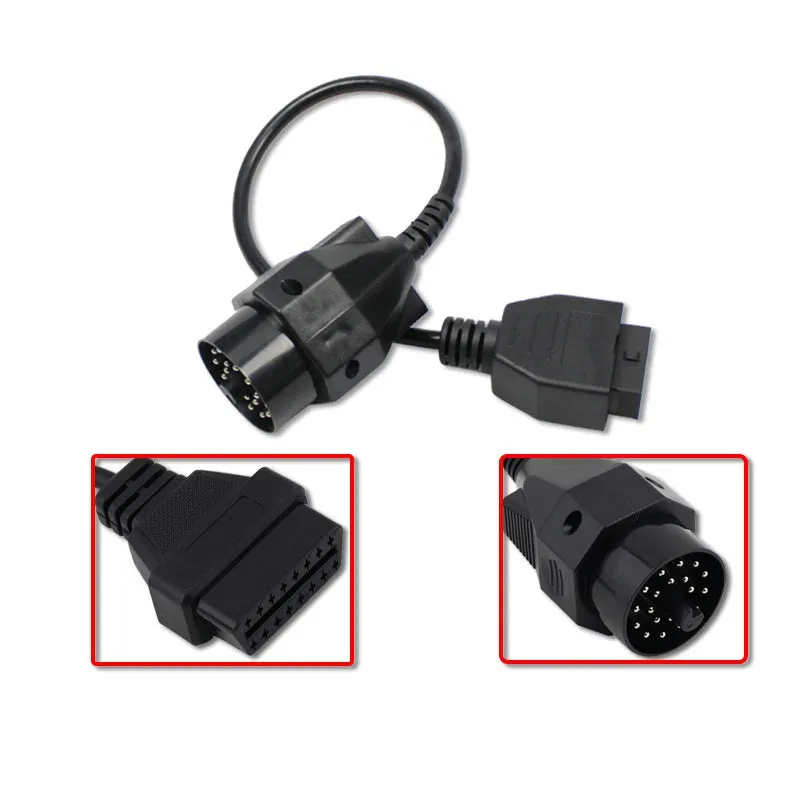
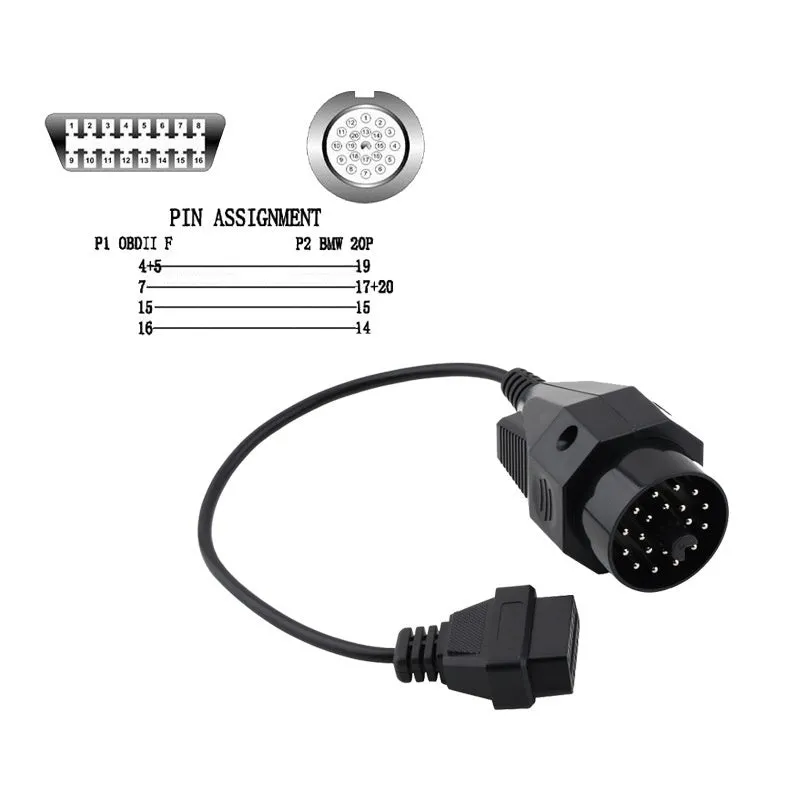
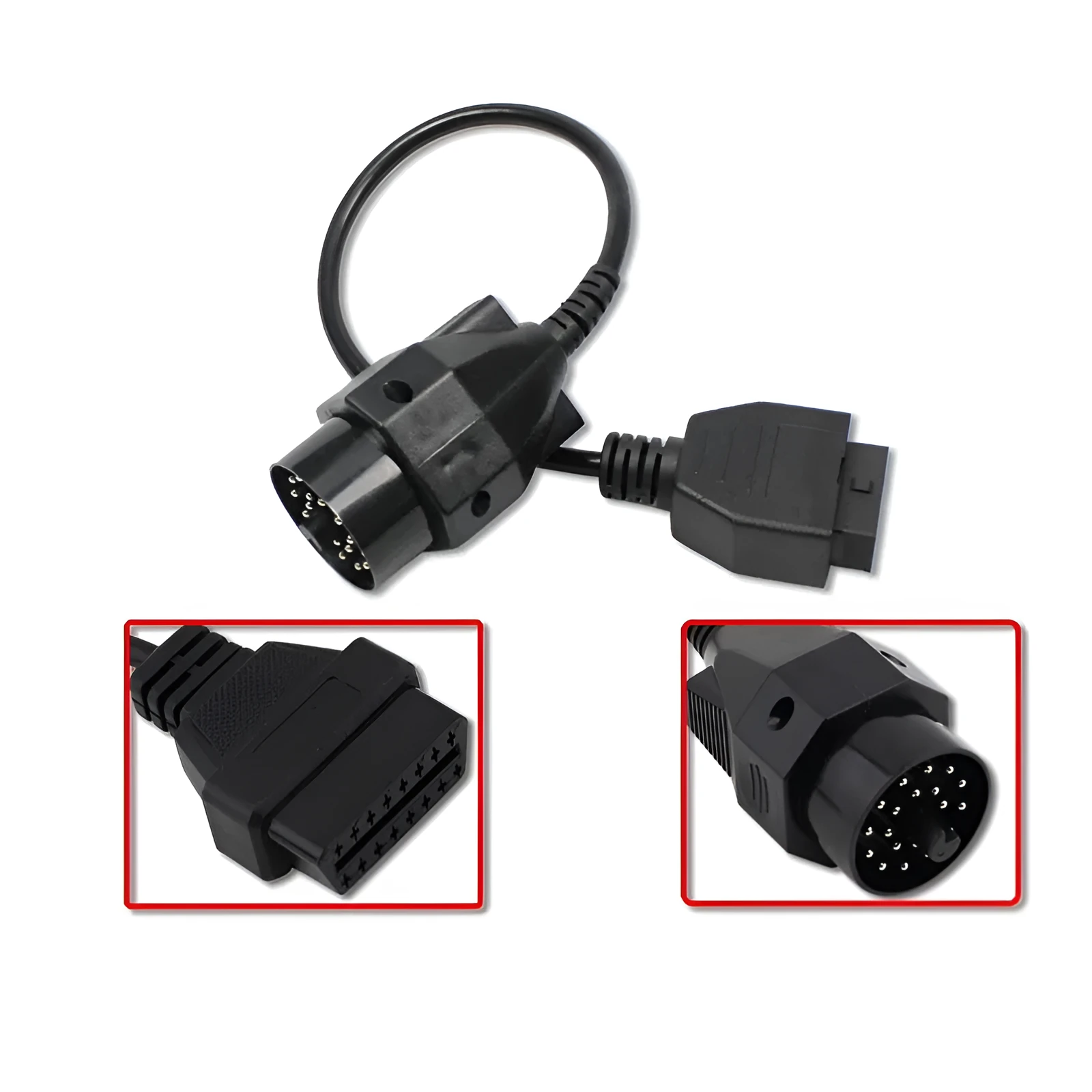
The adapter features two distinct ends. One is a male connector with 20 pins arranged in a circular formation, designed to mate precisely with the round diagnostic port used by BMW on models like the E30, E34, and E36 series. The other end is a standardised 16-pin female OBD2 connector (SAE J1962), which accepts the plug from virtually any generic OBD2 scanner available today. This direct physical conversion requires no intermediate electronics, making the link passive and highly reliable.Electrical Specifications and Performance
The cable is engineered for a 12V vehicle electrical system, which is the standard for car diagnostics. The internal wiring uses copper strands to ensure minimal signal loss and accurate data transmission between the vehicle's Engine Control Unit (ECU) and the diagnostic tool. It is rated for continuous operation in temperatures up to 45°C, which covers typical under-bonnet conditions during diagnostic sessions, though prolonged exposure to extreme heat near exhaust components should be avoided.Cable Construction and Durability
Practical Applications for the Adapter This adapter unlocks the diagnostic capabilities of modern tools for a range of specific scenarios. Whether you're a professional technician dealing with a customer's classic car or an owner maintaining your own vehicle, this cable turns a potential obstacle into a simple connection. Below are the primary use cases where this adapter proves its worth.Professional Garage and Workshop Use
For independent garages and specialists, this adapter eliminates the need for outdated, manufacturer-specific diagnostic hardware for older BMWs. It allows a workshop with a modern, multi-brand OBD2 scanner to quickly connect to a classic BMW, read fault codes related to the engine management system, and clear them after repairs. This can streamline workflow, reduce the need for specialised tooling for legacy models, and allow for faster initial diagnosis of common issues like sensor failures or ignition problems.DIY Enthusiast and Home Mechanic Use
For the home mechanic, the adapter provides a tangible link to their car's internal systems. The feeling of plugging in a common scanner, hearing it power on, and successfully communicating with a 25-year-old ECU provides immediate clarity. Instead of guessing at problems like a persistent check engine light, you can retrieve specific fault codes such as P0300 (random misfire) or P0171 (system too lean), giving you a targeted starting point for troubleshooting, whether you're tuning an E36 M3 or maintaining a daily-driven E34.Versatility for Various BMW Models
While the core function is standardised, its application covers a wide range of vehicles. This single adapter can be used on multiple classic BMWs from the late 1980s through the mid-1990s that share the 20-pin diagnostic port. It is therefore a versatile tool for owners of several classic cars, for BMW-focused clubs where members help each other with diagnostics, or for resellers and inspectors who need to verify the engine management status of older models before a sale.Key Benefits and Value Proposition
Cost-Effective Access to Diagnostics
Purchasing legacy manufacturer diagnostic systems for old cars can be prohibitively expensive and complex. This adapter provides a concrete cost-benefit by leveraging the OBD2 scanner you may already own. For a modest one-time investment, you gain the ability to perform basic but critical diagnostics on valuable classic cars, potentially saving hundreds of pounds in garage fees for simple code reading and helping you avoid misdiagnoses that lead to unnecessary part replacements.Confidence Through Direct Communication
A Simple Solution to a Standardised Problem The reason to purchase this adapter is straightforward: it solves a specific, measurable compatibility problem with a simple, physical solution. There is no software to update, no drivers to install, and no configuration needed. If you have a classic BMW with a 20-pin port and a modern OBD2 scanner, this cable will connect them. It represents a small but essential tool for anyone serious about maintaining the electronic systems of these older vehicles, ensuring they remain functional and enjoyable for years to come.