
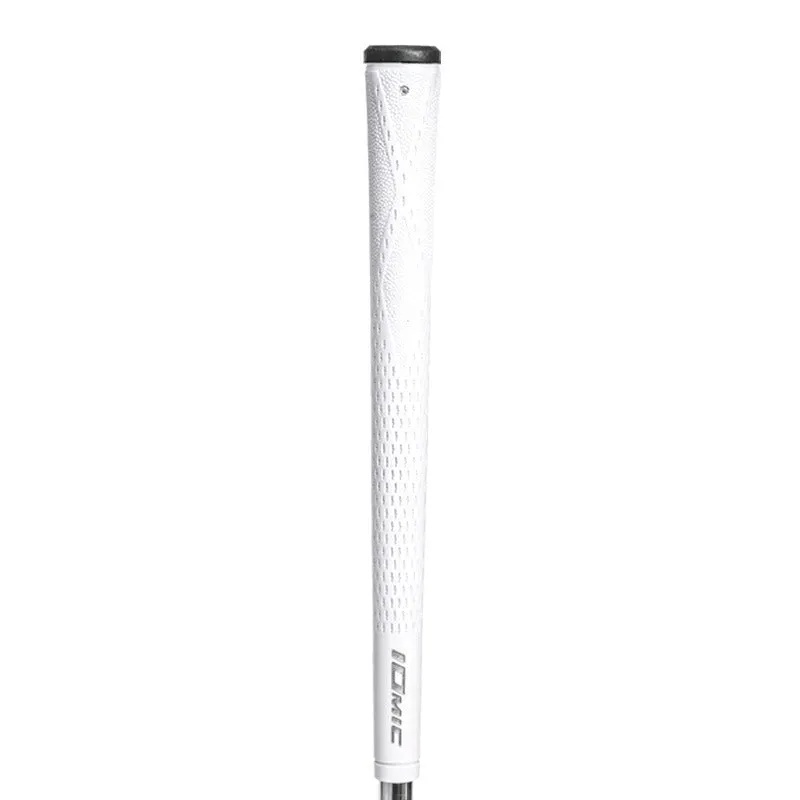
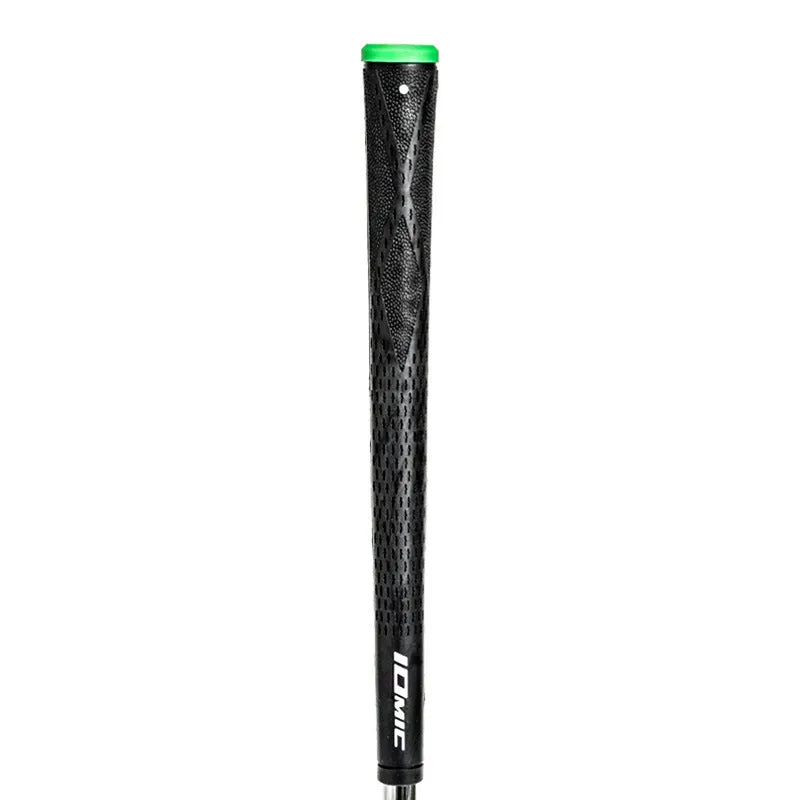
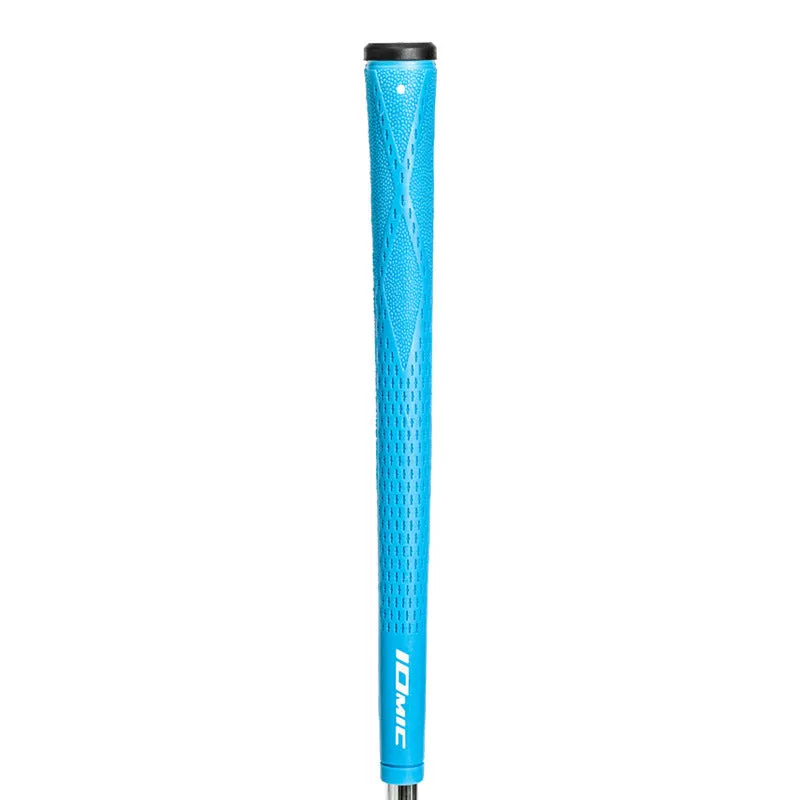
Golf club grip made from TPE/TPR material for consistent feel and secure handling, available in nine colours including classic white and multi-tone options
Light Blue / 1PCS
£39.98
Sale price
£39.98
Regular price
Skip to product information

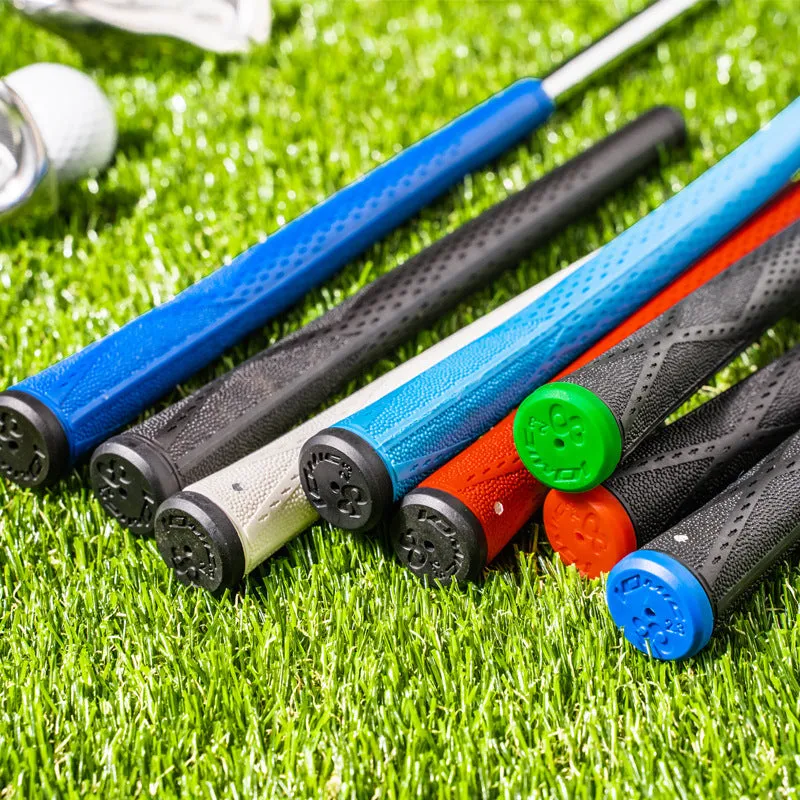 A reliable grip is fundamental to a consistent golf swing. This golf club accessory is made from TPE or TPR material, chosen for its specific performance traits. The surface provides a secure, non-slip hold that proves particularly valuable when playing in typical British climates, where rain and morning dew are common. By improving the connection between your hands and the club, this grip helps reduce slippage, allowing for more confident swings and better shot control. It serves as a straightforward upgrade for players noticing wear on their existing grips or seeking a more tactile feel.
 This section details the specific material choice, design intent, and practical benefits of this golf grip. We will examine how its construction translates into performance on the course, from the science of the polymer used to the visual advantage offered by multiple colour options.
 Understanding how a product's specifications apply to real-world use clarifies its value. Here we explore specific scenarios where this TPE golf grip's features provide tangible advantages for different types of golfers and playing conditions.
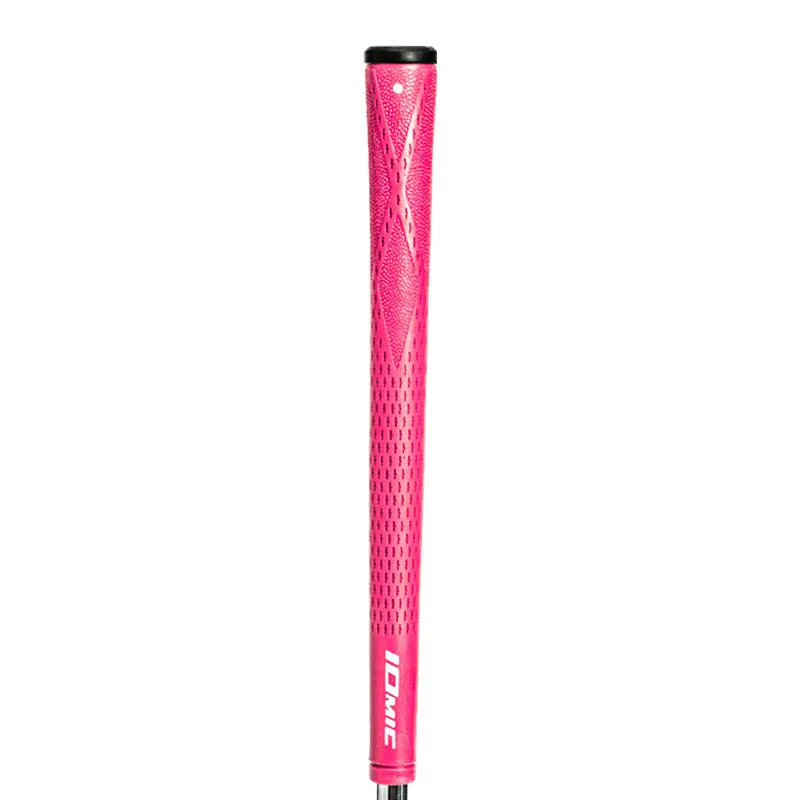
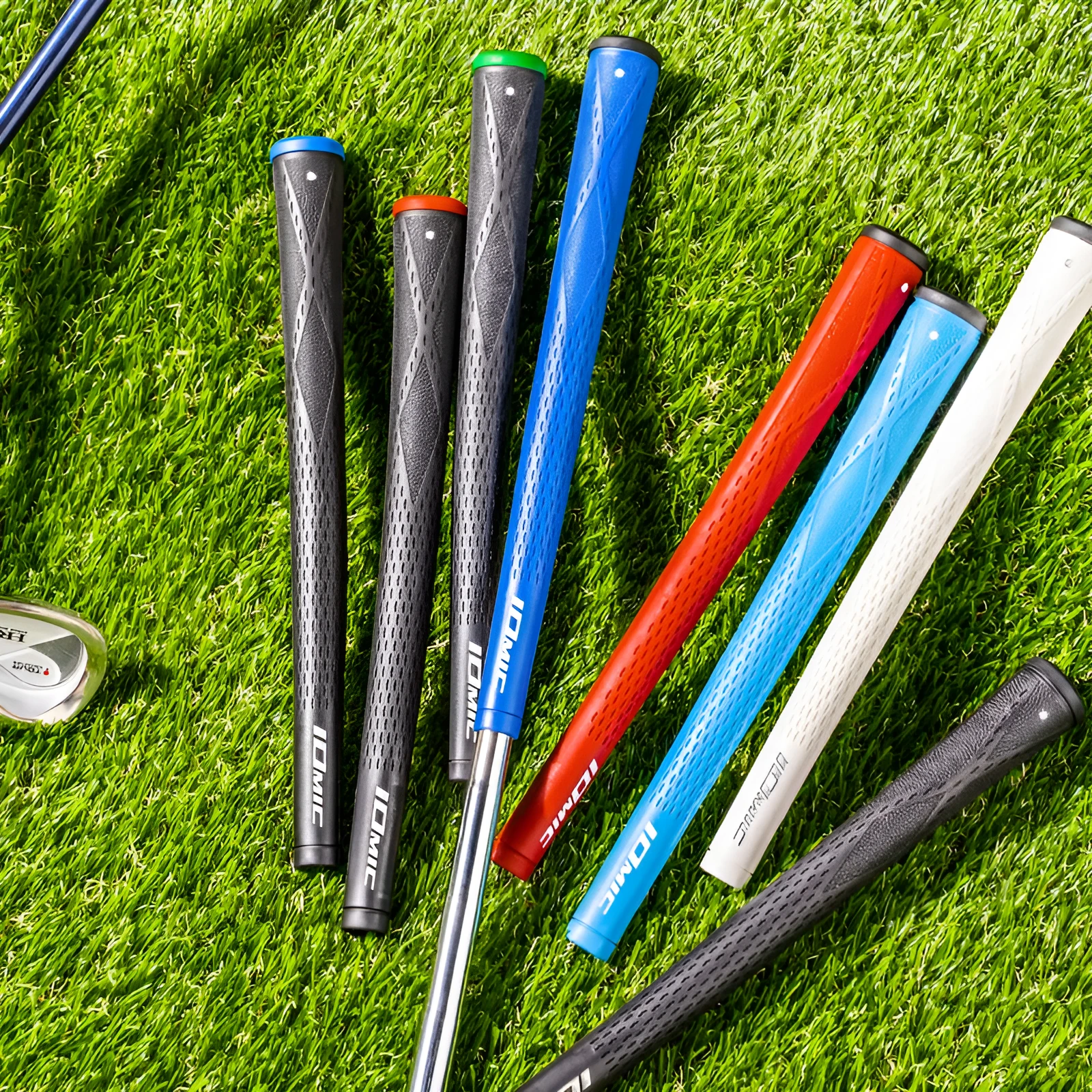
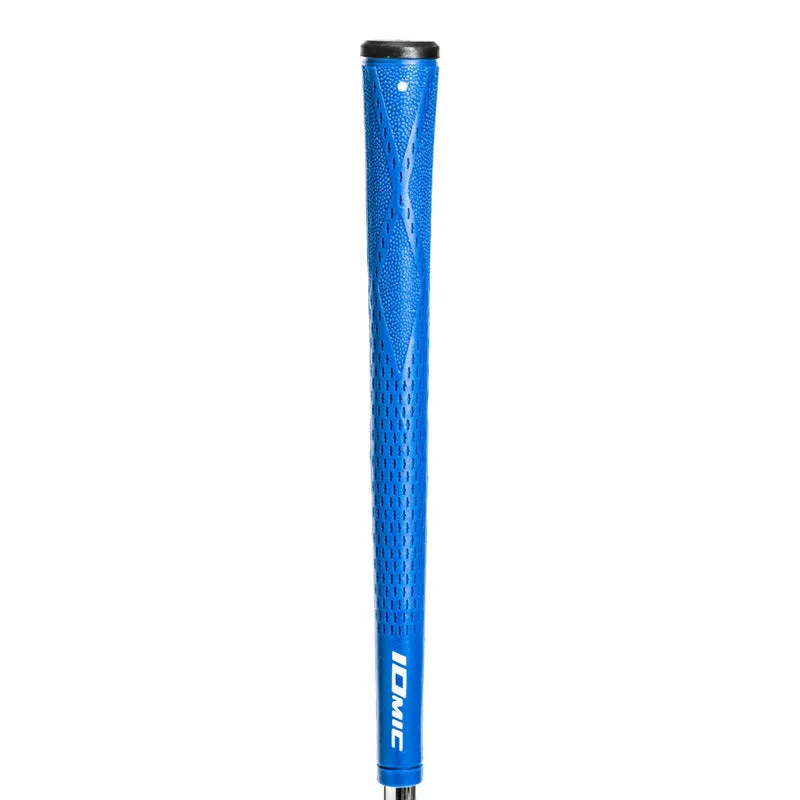

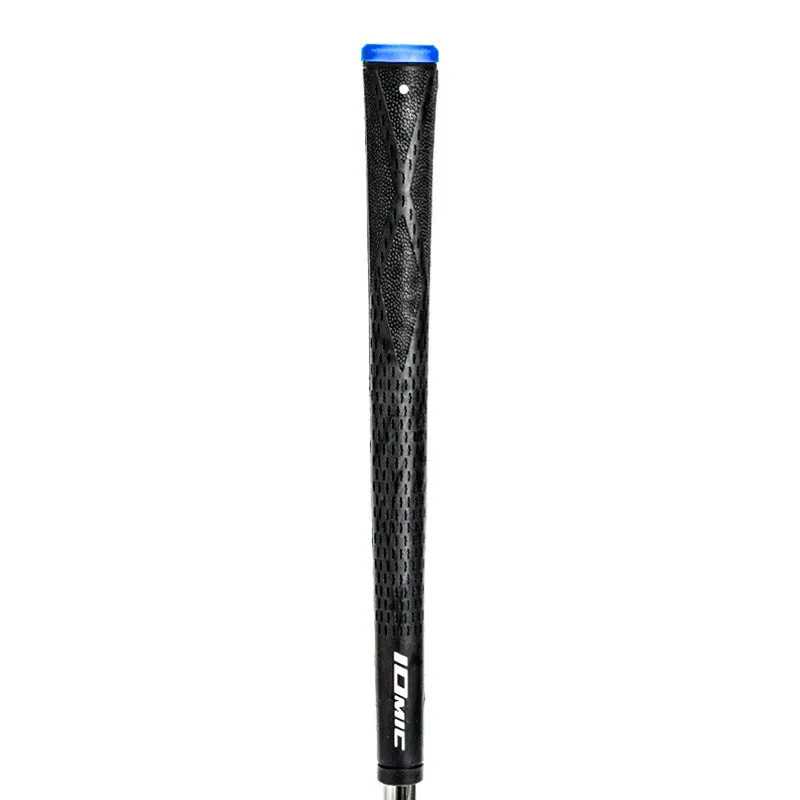
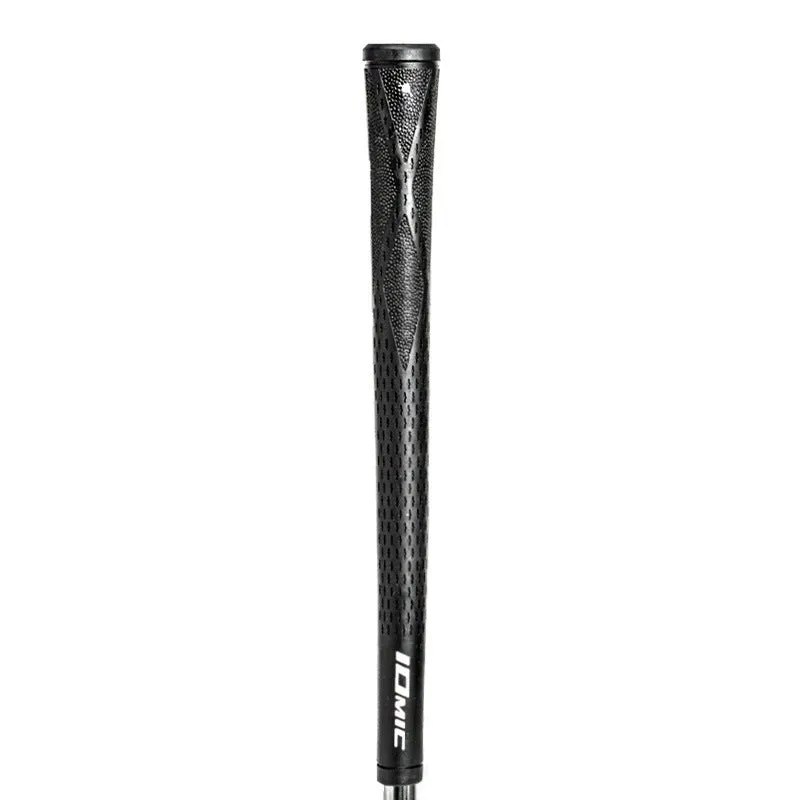
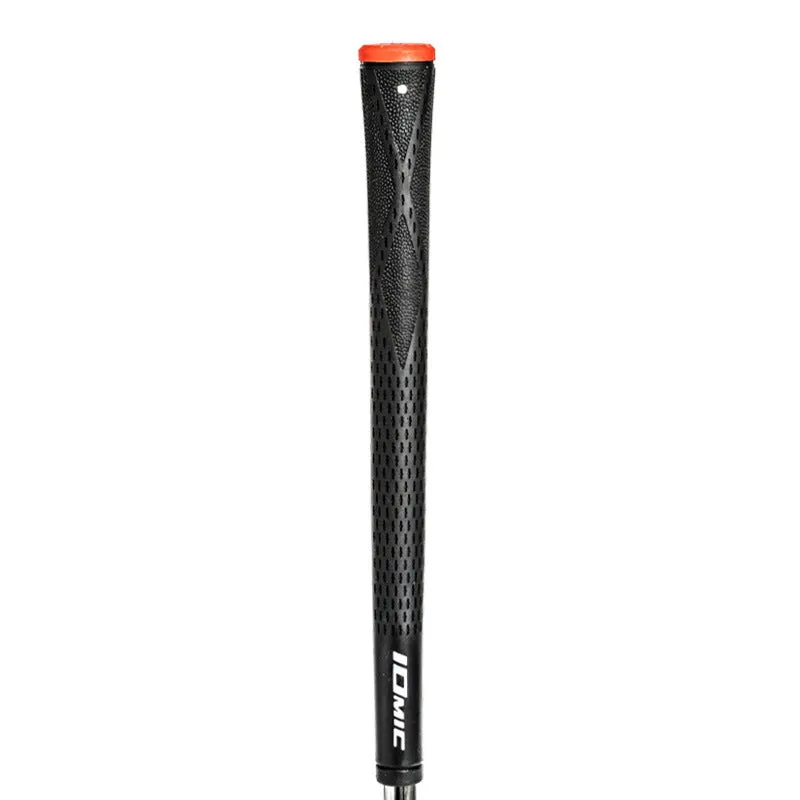
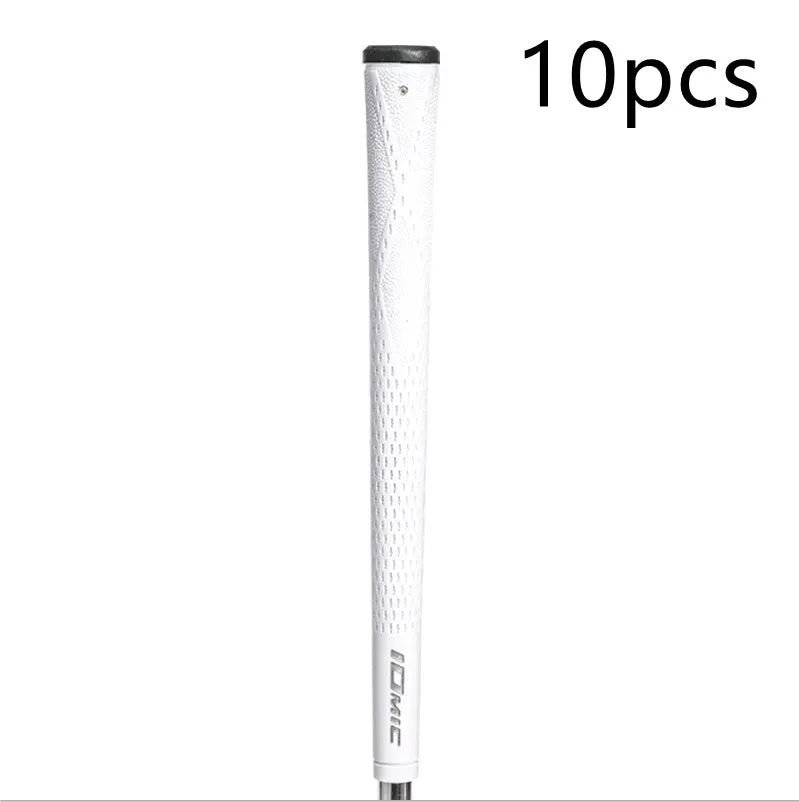
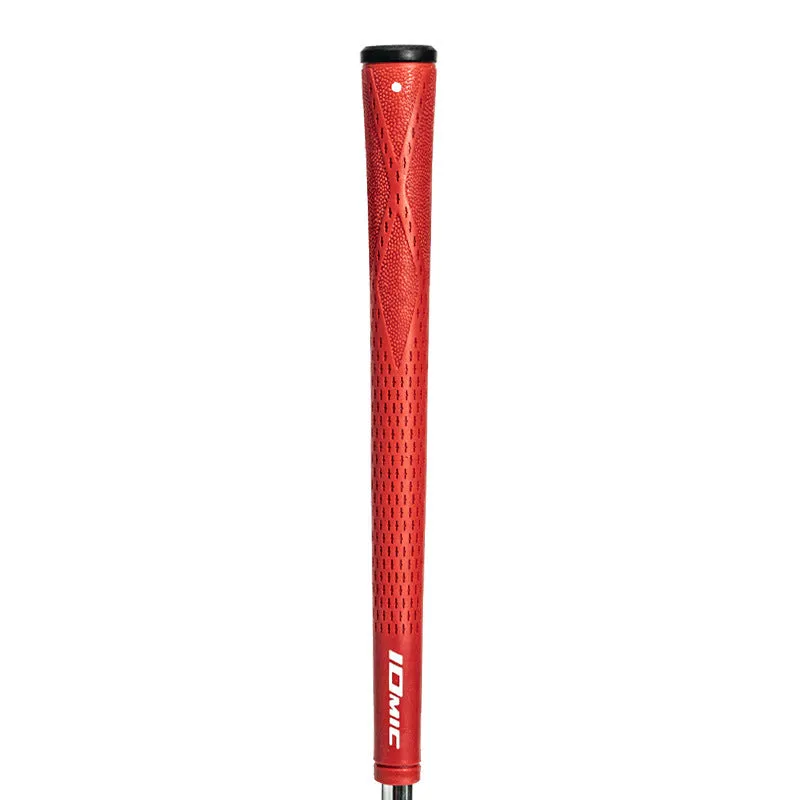
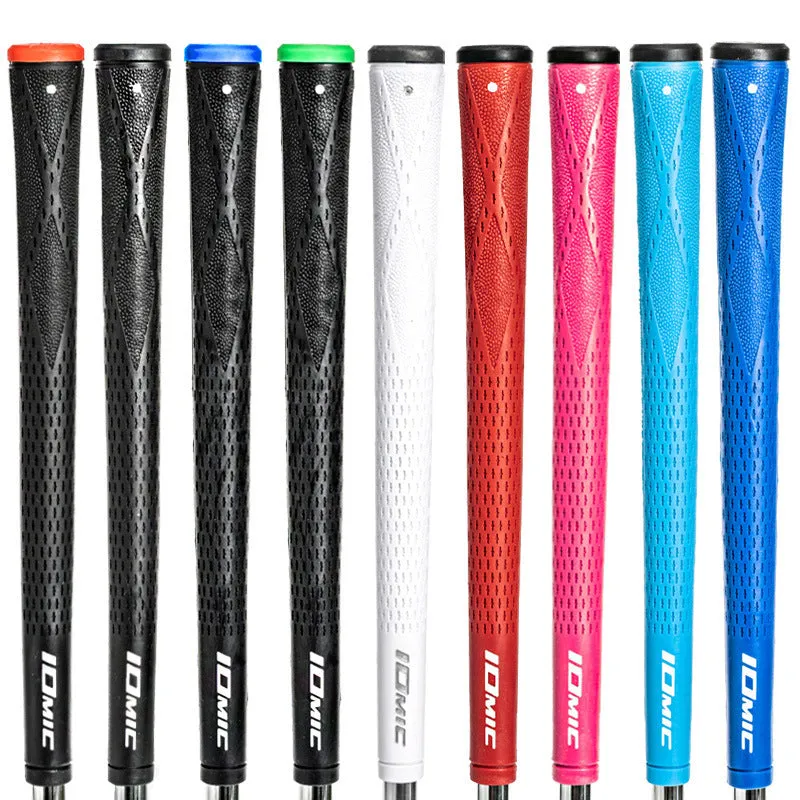


Golf club grip made from TPE/TPR material for consistent feel and secure handling, available in nine colours including classic white and multi-tone options
£39.98
Sale price
£39.98
Regular price
TPE Golf Grip: Enhance Control with a Textured, Non-Slip Surface
Features and Build Quality of the Golf Grip
TPE and TPR Material Properties
The grip is manufactured from either Thermoplastic Elastomer (TPE) or Thermoplastic Rubber (TPR). These materials are not the same as traditional rubber; they are polymer blends that can be melted and re-molded. A key property for a golf grip is their inherent tackiness and flexibility. This combination creates a surface that conforms slightly to the hand while providing a higher-friction interface than hard plastic or worn rubber. This physical characteristic is the direct source of the non-slip performance, helping to anchor the club during the dynamic motion of a swing.Performance Through Textured Design
While specific texture patterns like diamond or cord are not detailed, the source text explicitly states a 'non-slip' function. In material engineering, this is achieved by manipulating the surface morphology of the TPE/TPR during molding. The result is a micro-textured finish that increases the surface area in contact with the skin and the golfer's glove. This mechanical interlocking, combined with the material's natural tack, provides the secure handling benefit, measurable as a reduction in grip pressure required and increased stability through the swing plane.Durability and Colourfast Construction
TPE and TPR materials are selected not only for feel but for longevity. They offer good resistance to environmental factors that degrade grips, such as ultraviolet light from sun exposure and ozone in the air. This resistance helps the grip maintain its original texture and performance over time, unlike some rubbers that can become hard and slick. The nine colour options, including solid tones and two-tone designs, are moulded in, meaning the colour is consistent throughout the material thickness and is less prone to fading or wearing off compared to painted finishes.Practical Applications on the Course
For the Regular Club Golfer
For golfers who play weekly at their local club, often in variable UK weather, grip condition directly impacts scoring. A worn, smooth grip can lead to over-gripping and tension, affecting swing path. Installing this TPE grip refreshes the club's interface. The non-slip characteristic means that in light rain or high humidity—common challenges in Britain—the golfer can maintain a consistent, relaxed hold. The choice of a bright colour like red or light blue also makes the club head easier to spot in long rough or low light, saving time during play.For Practice and Coaching Sessions
During intensive range sessions or coaching, where many balls are hit in succession, sweat and fatigue can compromise grip. The tacky, textured surface of this TPE grip provides a more forgiving interface, reducing the need for constant re-gripping or towel drying. This allows the player to focus on swing mechanics. Coaches might use the distinct two-tone options (like black with a green head) to quickly identify specific clubs in a student's bag that are set up for particular drills, such as alignment or ball-striking exercises.Versatility Across Club Types
Tangible Benefits for Your Game Investing in equipment upgrades should deliver clear, measurable returns. This section breaks down the long-term value and user satisfaction derived from the specific attributes of this golf grip.Long-Term Value and Cost-Benefit
Compared to re-gripping services for high-end, multi-material grips, using a straightforward TPE/TPR grip can be a more economical way to maintain your clubs. The material's durability against UV and ozone suggests a longer service life before becoming hard or glossy, meaning fewer replacements over time. For the average golfer, refreshing grips every season or two is a standard part of club maintenance; choosing a grip that retains its properties longer provides measurable value by extending that interval and ensuring consistent performance throughout its life.Confidence Through Improved Contact
A Direct Upgrade for Control</h3 The call to action is based on a specific, measurable improvement: enhancing control. If your current grips are smooth, hard, or simply don't inspire confidence in damp conditions, this TPE grip offers a targeted solution. The upgrade process is simple, and the benefit is immediate—a more secure connection to your club. By addressing the fundamental point of contact between player and equipment, it forms a foundation for better, more repeatable ball-striking. Choose a colour that suits your style and make a practical investment in the consistency of your game.