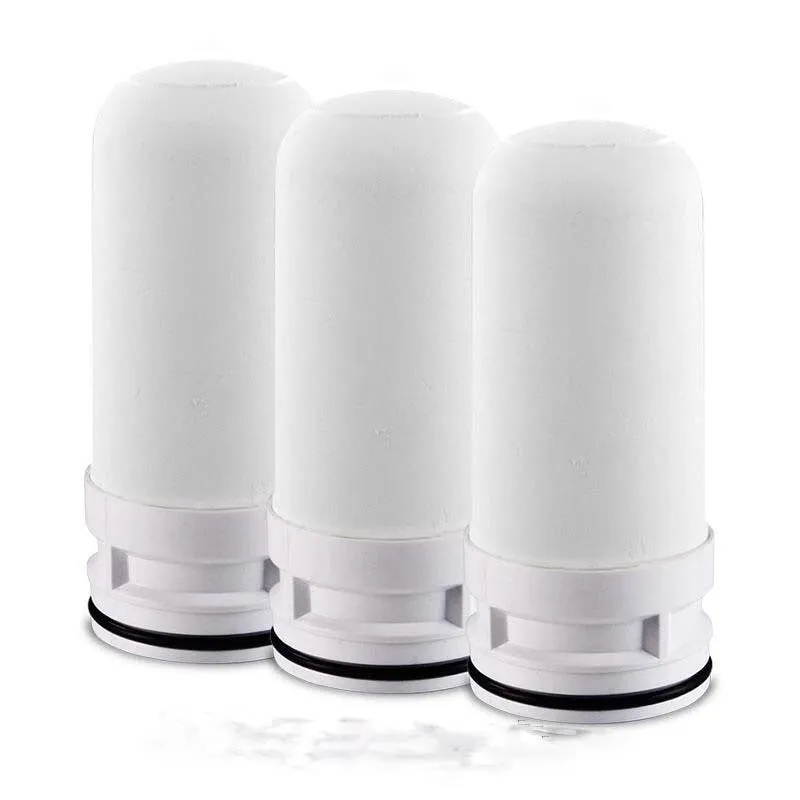
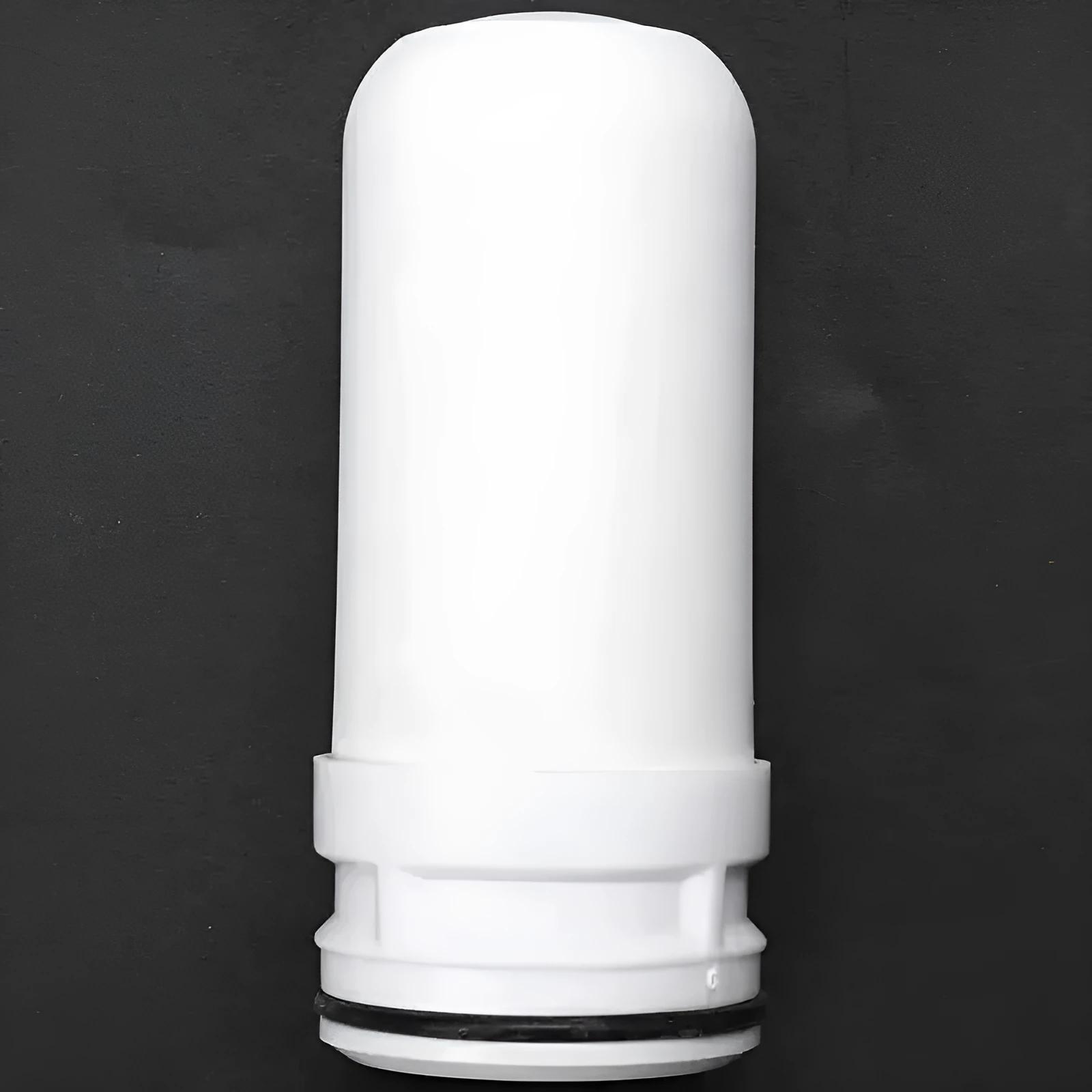
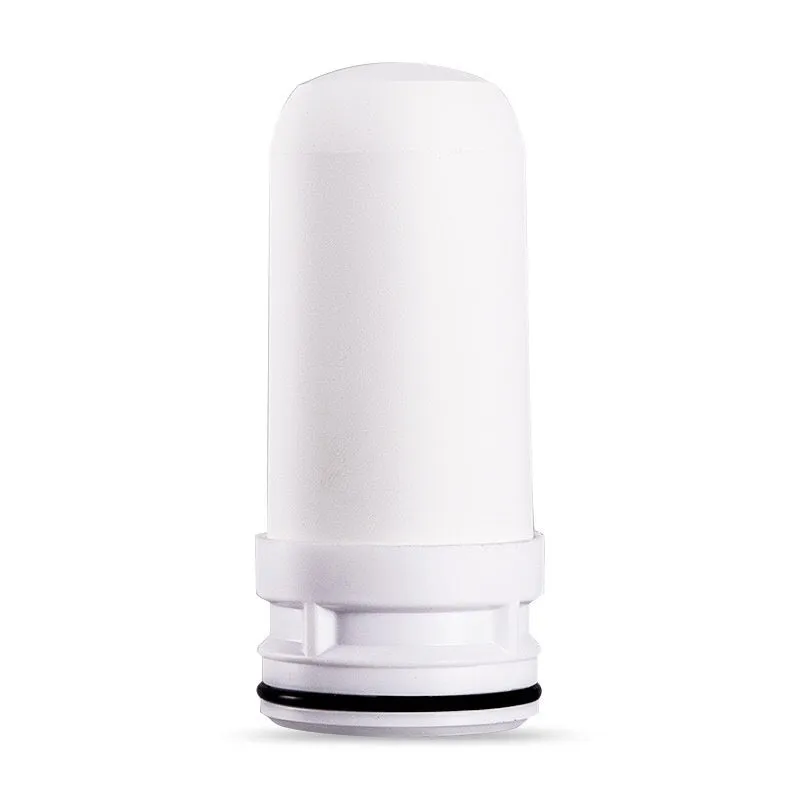
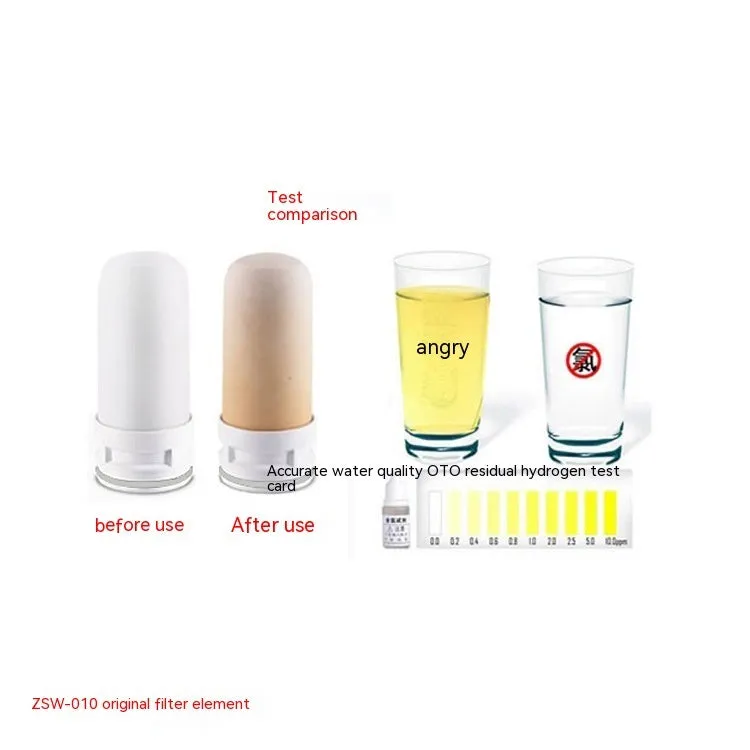
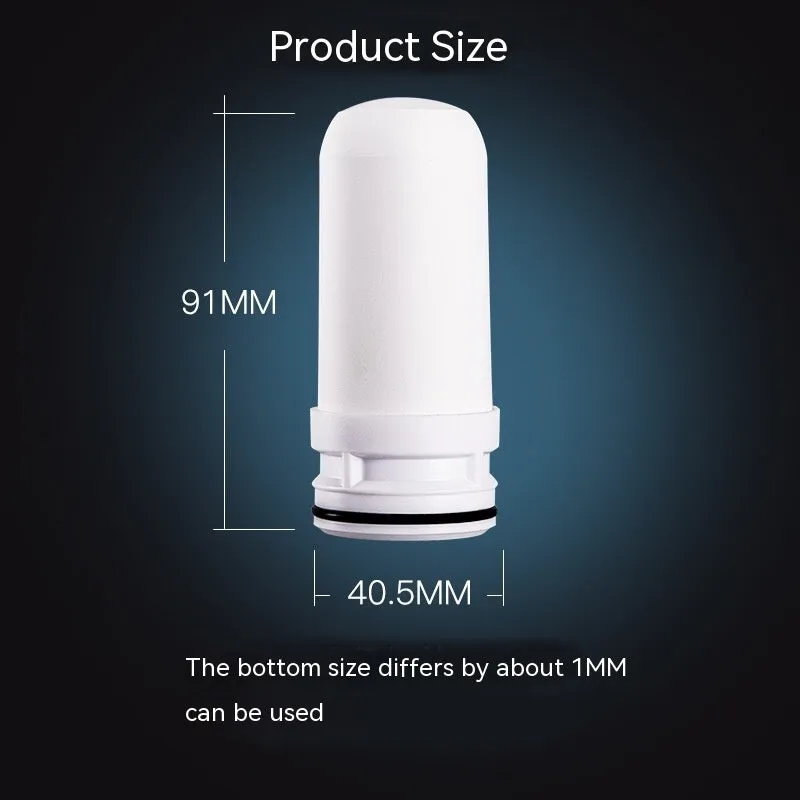
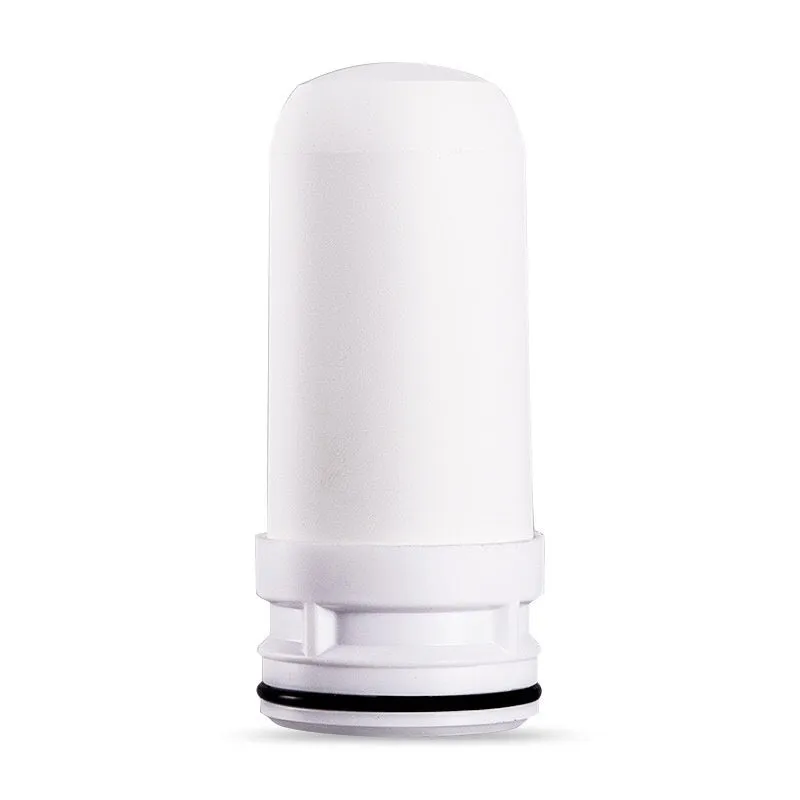
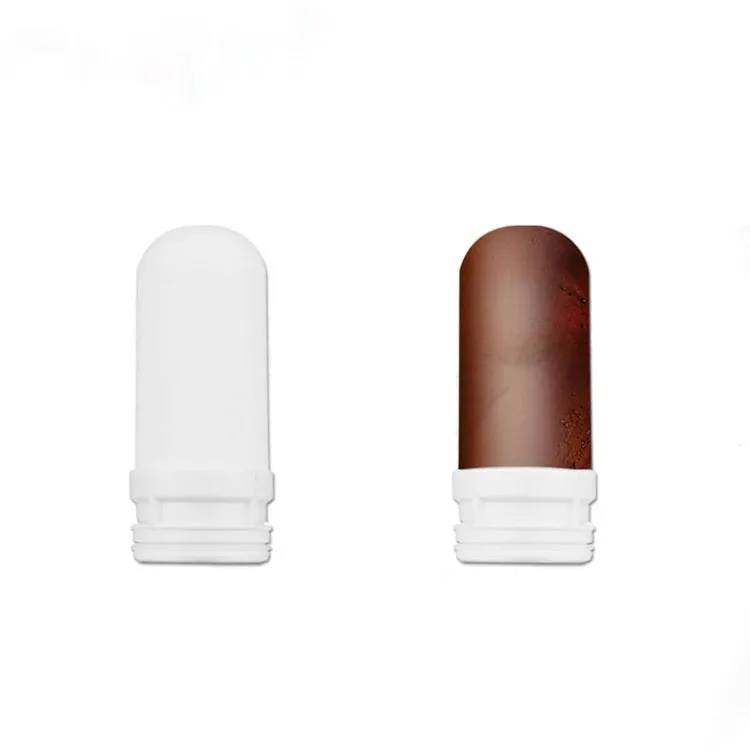
Ceramic water purifier filter element constructed from diatom ooze, measuring 43mm x 43mm x 100mm, for filtering sediment, rust and chlorine from domestic tap water, supplied in a single unit.


Ceramic water purifier filter element constructed from diatom ooze, measuring 43mm x 43mm x 100mm, for filtering sediment, rust and chlorine from domestic tap water, supplied in a single unit.
Diatom Ooze Ceramic Water Filter Element for Reducing Tap Water Impurities
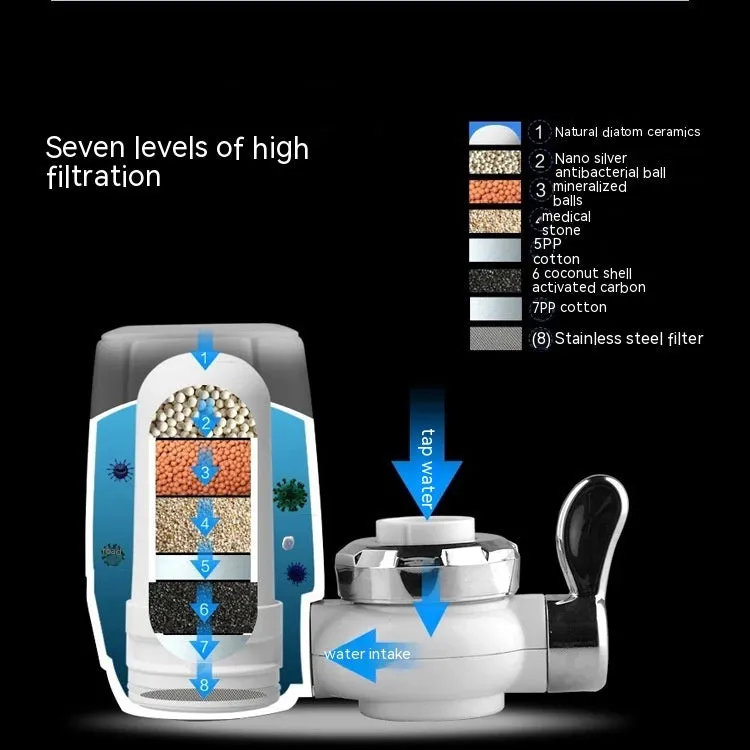
This white ceramic filter element is designed for use in compatible water purification systems to improve the quality of domestic tap water. It targets specific common contaminants found in mains water supplies, namely visible sediment, rust particles, and residual bleaching powder, which is often used as a chlorine-based disinfectant. With its 43mm x 43mm x 100mm dimensions, it fits designated filter housings, offering a straightforward replacement solution. The filter operates on a capacity of 1 litre, making it suitable for point-of-use filtration in household settings for drinking and cooking water.
Features and Construction
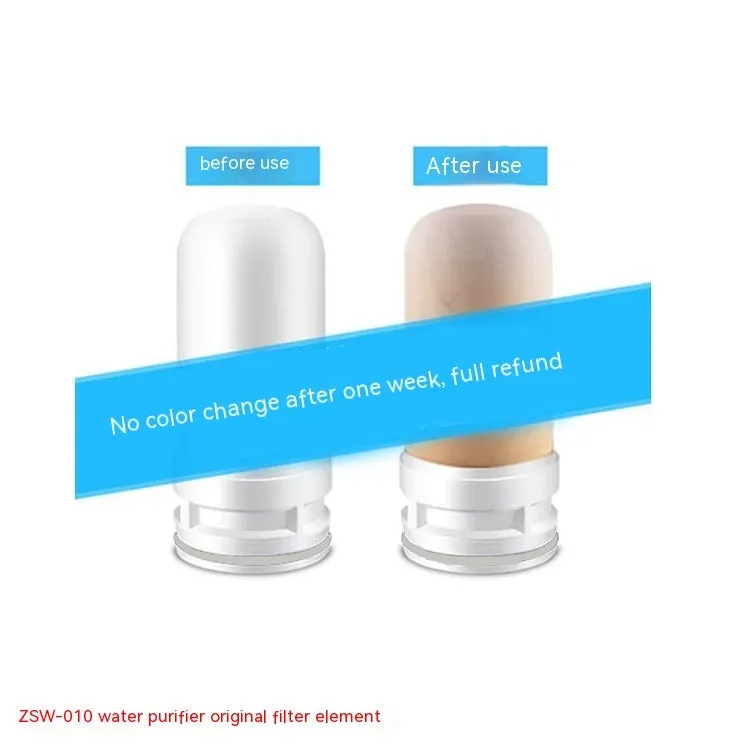
The core function of this element is the physical filtration of particulate matter from water. Its construction and specifications are focused on practicality and compatibility with existing purifier units.
Material and Build
The filter is made from diatom ooze ceramic. This material is known for its fine, porous structure which acts as a mechanical sieve. Water passes through these microscopic pores, which trap solid impurities like sediment and rust while allowing clean water to flow through. The ceramic build provides a rigid form that maintains its shape under the pressure of water flow within the purifier system.
Size and Practical Fit
The element's exact dimensions are 43 millimetres in width, 43 millimetres in depth, and 100 millimetres in length. This precise sizing ensures it will seat correctly within the corresponding chamber of a matching water purifier. The white colour provides a neutral, clean appearance and can help indicate when the element is becoming saturated with filtered material, though a change schedule based on usage is recommended.
Uses and Placement
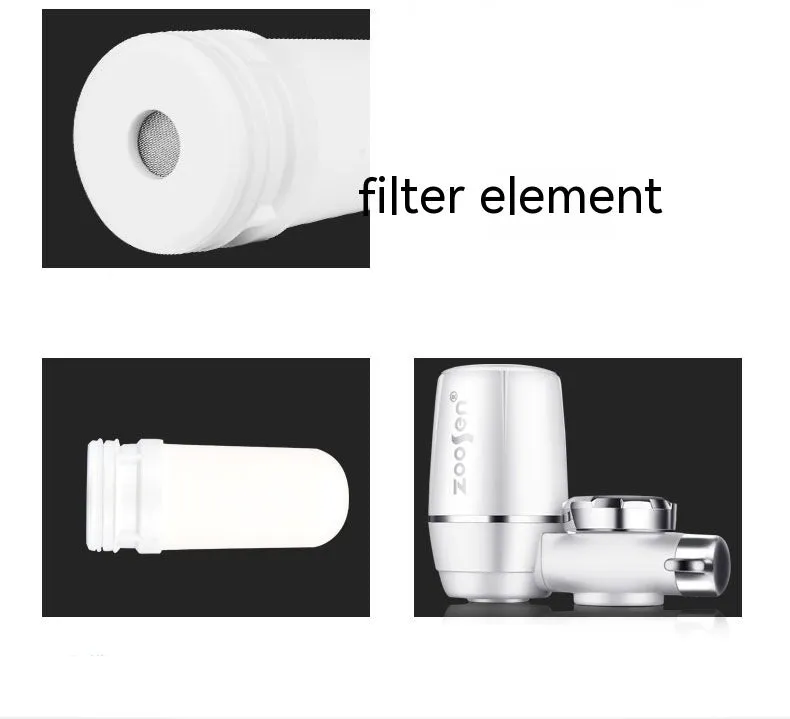
This filter serves a specific role within a water treatment setup, typically in a domestic environment. It is not a standalone unit but a consumable component for a larger system.
Event or Professional Use
While primarily for home use, this type of ceramic filter element could be utilised in any setting with a compatible purifier system where basic particulate filtration of tap water is desired. This might include small offices, catering premises requiring filtered water for food preparation, or in caravans and boats with installed water purification. Its role is to provide a first stage of defence against visible contaminants.
Everyday Home Use
In the home, this filter integrates into a water purifier, often under the kitchen sink or as part of a countertop unit. It works to remove the grit, rust flecks, and cloudy appearance that can sometimes come from ageing pipework or municipal water mains. By filtering out these particles and reducing chlorine taste, it can contribute to clearer, better-tasting water for drinking, making hot beverages, and cooking.
Benefits and Buying Value
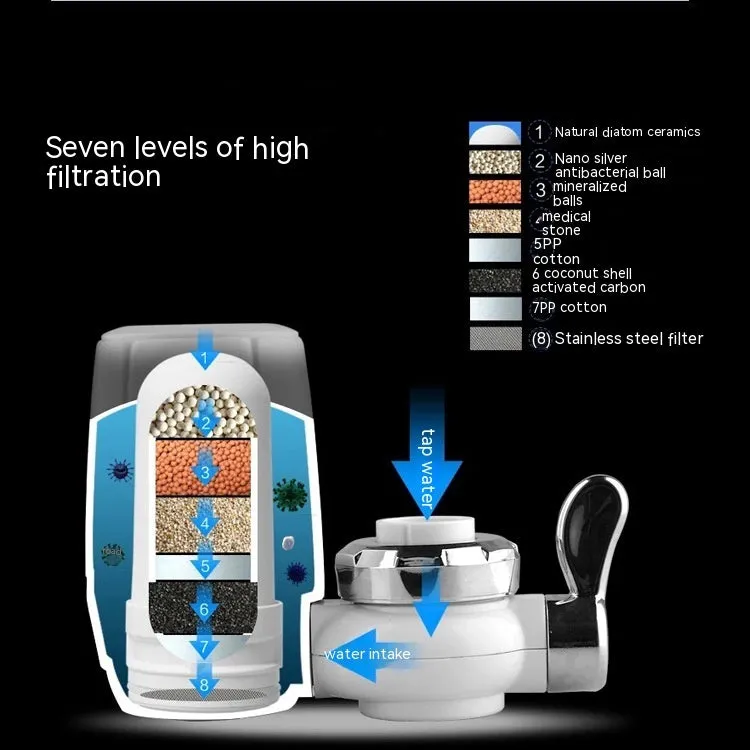
The value of this product lies in its specific function as a replaceable component for maintaining water quality, based on its stated material and filtration claims.
Reuse and Low Maintenance
As a consumable filter element, its value is realised through periodic replacement to restore the purification system's performance. Unlike some filters, ceramic elements can sometimes be cleaned superficially, but they are ultimately designed for replacement once their capacity is exhausted. The single-unit packaging means you are purchasing one direct replacement, allowing you to maintain your system's efficacy.
Why Choose This Product
This filter element is chosen for its specified purpose: filtering sediment, rust, and chlorine from tap water using a diatom ceramic medium. It is selected based on its exact 43x43x100mm size to fit a particular purifier model. The decision rests on the need for that specific physical filtration capability and dimensional compatibility, rather than on advanced chemical filtration or softening, which it does not claim to provide.